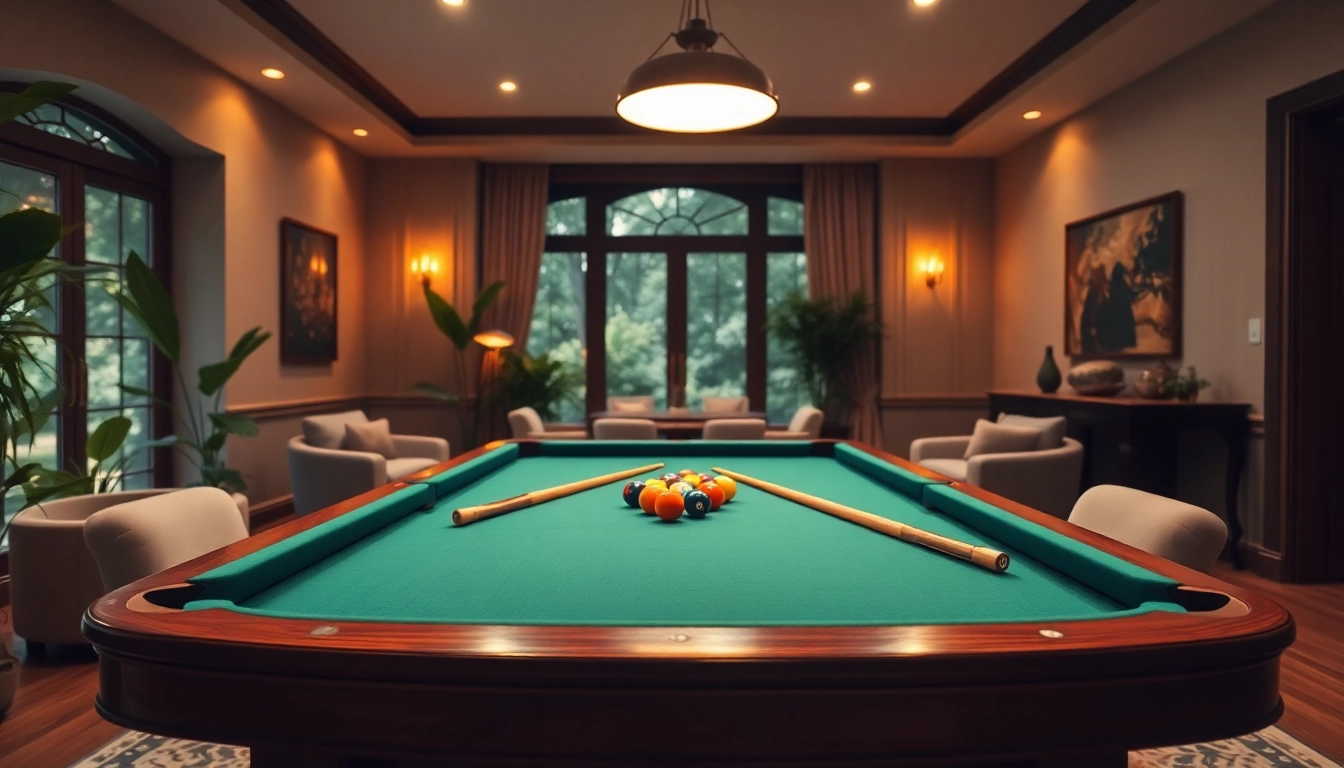
Understanding Your Options to Buy Pool Tables
When you're ready to enhance your game room, the decision to Buy Pool Tables can be both exciting and daunting. With varying options in size, materials, and prices, understanding these aspects can help you make an informed choice that suits your space and needs.
Different Pool Table Sizes Explained
Pool tables come in various sizes, with the most common being 7 feet, 8 feet, and 9 feet. Choosing the right size is essential for ensuring a great playing experience.
- 7-Foot Pool Tables: Typically known as “bar size,” these tables are 7 feet long and are ideal for smaller spaces. They cater well to casual players and are sufficient for family gatherings or laid-back gaming sessions.
- 8-Foot Pool Tables: Often regarded as the “standard” size, 8-foot tables (8’ x 4’) are optimal for most residential game rooms. They provide a balanced playing area that allows for serious competitive play without overwhelming space.
- 9-Foot Pool Tables: Generally known as “professional” tables, 9-foot options offer the closest replication of tournament conditions. These are best suited for dedicated gamers with ample space dedicated to gameplay.
Materials and Build Quality
The material and build quality significantly influence the durability and playability of pool tables. Here are the primary materials used:
- Slate: The gold standard for professional tables, slate provides an incredibly smooth surface, enhancing accuracy and responsiveness. Most high-end options feature slate tops due to their stability and durability.
- Wood: While often less expensive than slate, solid wood tables can vary in quality. Look for hardwood options like oak or cherry for better durability and aesthetics.
- Composite Materials: These are often used in lower-cost tables. While they can be less durable than slate or solid wood, they can still provide a decent playing surface for casual players.
Pricing and Budget Considerations
Pricing is a crucial factor when choosing a pool table, as costs can vary significantly based on size, material, and brand. Here’s a breakdown:
- Budget Tables: Ranging from $300 to $800, these typically feature composite materials or smaller sizes. While they might not offer the best playability, they are excellent for occasional use.
- Mid-Range Tables: Priced between $800 and $2,500, these tables generally feature solid wood construction and slate beds, striking a balance between quality and affordability.
- High-End Tables: Starting at $2,500 and potentially exceeding $10,000, these tables offer premium materials and craftsmanship, ideal for dedicated billiard enthusiasts and homes where aesthetics are crucial.
Key Features to Look for When You Buy Pool Tables
Playability and Responsiveness
The playability of a pool table is determined by several factors that enhance the gaming experience. Key components include:
- Leveling System: A good pool table should have a reliable leveling system to ensure a flat playing surface.
- Quality Cushions: The cushions’ responsiveness impacts the ball's rebound, and top-quality tables utilize high-density rubber for superior performance.
- Surface Smoothness: Consider tables with premium finishing to limit imperfections that may affect ball movement.
Storage and Space Requirements
Before making a purchase, assess the available space in your game room. Keep in mind that you’ll need sufficient clearance for players to maneuver around the table. A general rule of thumb is to allow an additional 5 feet on each side of the table for cueing.
In small spaces, consider multifunctional furniture or tables with built-in storage compartments to stash away cues, balls, and accessories.
Style and Aesthetics
A pool table is not just a game piece; it’s a centerpiece in your game room. Here are some considerations regarding aesthetics:
- Finishes: Look for finishes that complement your home decor. From rustic wood finishes to sleek modern designs, choose one that blends with your style.
- Color Options: The color of the felt can significantly alter the appearance of the table, so pick shades that match or contrast pleasingly with your surrounding decor.
- Customization: Many manufacturers offer customization options, allowing you to select specific features or modifications tailored to your preferences.
Where to Buy Pool Tables: Retail vs. Online
Pros and Cons of Retail Stores
Shopping at physical stores has its advantages and drawbacks:
- Pros: You can inspect the table’s quality firsthand, receive assistance from sales staff, and even test the table for playability.
- Cons: Limited selection compared to online inventories, and prices may be higher due to overhead costs.
Benefits of Online Shopping
Online shopping provides a range of benefits that attract many buyers:
- Wider Selection: You'll find a broader range of styles, sizes, and price points.
- Convenience: Shop from home and have the table delivered directly to your door.
- Better Prices: Online retailers often offer lower prices due to reduced overhead costs and promotions.
What to Check When Buying Online
While online shopping can be advantageous, take precautions to ensure a satisfactory purchase:
- Return Policy: Ensure that the retailer has a fair and transparent return policy in place.
- Customer Reviews: Read reviews from previous customers to gauge the table's quality and the service provided by the seller.
- Shipping and Assembly: Check whether installation is included or if it requires self-assembly and the associated costs involved.
Maintaining Your Pool Table After You Buy Pool Tables
Regular Cleaning Tips
To keep your pool table in excellent condition, regular maintenance is vital:
- Cleansing the Felt: Use a soft brush or a vacuum to remove dust. Never use harsh chemicals that may damage the fabric.
- Polishing the Rails: Use a damp cloth with mild detergent to clean wooden elements. Ensure they are dried completely to avoid moisture damage.
- Checking Level: Regularly check and adjust the level for consistent playability.
Repair and Maintenance Basics
Over time, your pool table may need repairs. Here are some basic repair tips:
- Felt Replacement: If the felt is worn out, consider replacing it for optimal playing experience.
- Cushion Replacement: Cushions can become hard over time; replace them if the responsiveness deteriorates.
- Tightening Hardware: Regularly check and tighten bolts and screws to maintain the table's integrity.
How to Set Up Your Game Room
Creating a comfortable gaming environment enhances your pool-playing experience:
- Lighting: Ensure ample lighting with overhead fixtures or lamps that minimize shadows on the table.
- Seating: Invest in comfortable seating that encourages relaxation during games.
- Accessories: Stock up on cues, balls, and racks that match your style and enhance playability.
Frequently Asked Questions About Pool Tables
What Size of Pool Table is Best for My Space?
The best size depends on available space. Consider 7-foot tables for smaller rooms, while 8 or 9-foot tables require more space for optimal usage.
Are Slate or Wood Pool Tables Better?
Slate is preferred for professional play due to durability and smoothness, while wood tables can provide adequate leisure use depending on quality.
How Do I Measure for a Pool Table?
Measure the designated area by determining the table size, allowing at least 5 feet of clearance around the table for cueing effectively.
Is it Worth Investing in a High-Quality Table?
Investing in a high-quality table can enhance gameplay, aesthetics, and durability, making it worthwhile for serious players or long-term use.
How Can I Ensure My Pool Table Lasts Long?
Regular maintenance, careful cleaning, and proper handling extend the lifespan of your pool table, ensuring it remains in good condition for years.