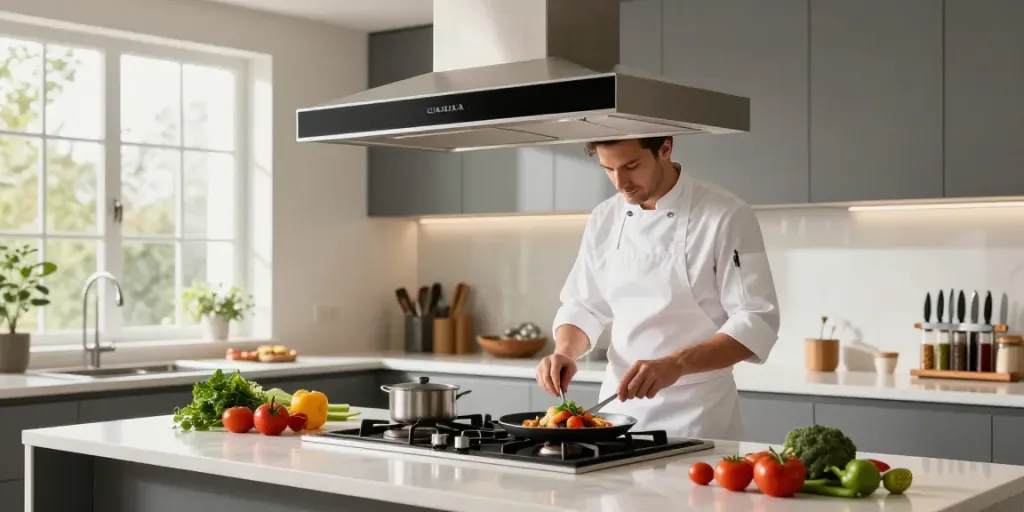
Understanding Cooker Hoods: Basics and Functions
A cooker hood, also known as a range hood or exhaust hood, is an essential kitchen appliance designed to ventilate your cooking area by removing smoke, odors, and airborne grease. In modern kitchens, the cooker hood has evolved from a simple necessity into a stylish element that complements the kitchen's design. With various types and features available, selecting the ideal cooker hood can significantly enhance both the functionality and aesthetics of your cooking space. When exploring options, cooker hood models can offer comprehensive insights into what best suits your needs.
What is a Cooker Hood?
A cooker hood is a device installed above the stove or cooktop, designed to ventilate the kitchen by extracting smoke, heat, and cooking odors. This appliance plays a critical role in maintaining air quality within your home, particularly during cooking sessions that generate steam and food particles. Most modern hoods are equipped with a fan that helps to suck out the unwanted byproducts of cooking, making the environment more pleasant and promoting a cleaner kitchen.
Types of Cooker Hoods: Vented vs. Recirculating
There are primarily two types of cooker hoods: vented and recirculating. Vented cooker hoods expel air outside through ducting, providing a more effective solution for eliminating cooking odors and contaminants. On the other hand, recirculating hoods filter the air internally and release it back into the kitchen. These models often include carbon filters to purify the air before it is recirculated, making them ideal for kitchens lacking the infrastructure for external venting.
Key Features to Look For in a Cooker Hood
- Extraction Power: Measured in cubic meters per hour (m³/h), this figure indicates how much air the hood can extract per hour.
- Noise Level: Look for models that operate quietly, especially if your kitchen is open to living areas.
- Energy Efficiency: Higher energy ratings (A+++) signify better efficiency and lower running costs.
- Control Options: Modern hoods offer various control methods, including touch, remote, and smart app controls.
- Design: Choose a design that complements your kitchen aesthetics, such as angled, under-cabinet, or island styles.
Choosing the Right Size: 60cm vs. 90cm Cooker Hoods
How to Measure Your Kitchen Space
Before purchasing a cooker hood, accurate measurements of your kitchen space are crucial. Measure the width of your cooktop to determine the appropriate hood size. A common practice is to select a hood at least as wide as the cooking surface, ensuring optimal efficiency in capturing smoke and odors. Depending on your kitchen layout and design, a 60cm or 90cm model may fit better, with 90cm hoods often recommended for larger cooktops.
Benefits of Different Sizes
A 60cm cooker hood is typically sufficient for smaller kitchens or standard cooktops, providing effective ventilation in a compact form. Conversely, a 90cm hood is better suited for larger cooking areas or those featuring multiple burners, offering enhanced extraction power to keep the air fresh during intense cooking sessions. Consider your cooking habits and kitchen size when making this decision.
Common Misconceptions About Cooker Hood Sizes
One common misconception is that larger hoods offer universally better performance. However, efficiency also depends on the extraction rate and the design of the hood itself. A smaller hood with sufficient extraction power can perform just as well as a larger unit, provided it matches the cooktop's dimensions and kitchen configuration.
Energy Efficiency: Understanding Ratings and Their Importance
What Do Energy Ratings Mean?
Energy ratings indicate how efficiently an appliance consumes electricity. Cooker hoods are rated from A+++ (most efficient) to D (least efficient). Opting for an energy-efficient model not only reduces electricity costs but also minimizes your environmental impact. A hood rated A+ or higher is recommended for those wanting to save on energy bills while maintaining powerful performance.
How to Choose Energy-Efficient Models
To select an energy-efficient cooker hood, look for models that feature LED lighting, efficient motors, and variable speed settings. These features not only enhance performance but also contribute to lower energy consumption. Always check for the energy label before making a purchase to ensure your choice aligns with your energy-saving goals.
Long-Term Savings from Energy-Efficient Cooker Hoods
While energy-efficient models may have a higher upfront cost, the long-term savings on energy bills can be substantial. Over time, the reduced electricity usage translates into lower monthly bills, making energy-efficient hoods a worthwhile investment. Additionally, many energy-efficient models come with longer warranties, providing peace of mind regarding durability and performance.
Installation and Maintenance: Best Practices
Step-by-Step Installation Guide
Installing a cooker hood can be a straightforward DIY task for those comfortable with basic home improvement projects. Start by reading the manufacturer's instructions thoroughly, as they will provide specific guidelines for your model. Measure and mark the installation height above the cooktop, typically between 65-75 cm for wall-mounted hoods. Use a stud finder to locate wall studs, ensuring secure mounting.
Next, drill holes for the mounting brackets and connect the ductwork if necessary, ensuring all connections are airtight. Finally, attach the hood, connect the wiring, and test the functionality to ensure it operates correctly. If venting externally, be sure to follow local building codes regarding duct size and routing.
Essential Maintenance Tips for Longevity
Routine maintenance is vital to ensure optimal performance and longevity of your cooker hood. Clean the filters regularly, depending on usage, and replace them as needed—especially carbon filters in recirculating models. Also, periodically wipe down the exterior with a suitable cleaner, keeping it free from grease and smoke residue.
What to Avoid When Installing a Cooker Hood
Common pitfalls during installation include positioning the hood too high or too low, which can hinder its efficiency. Avoid underestimating the required ductwork length and bends, as excessive turns can restrict airflow. Always ensure that the hood is adequately secured and that all electrical connections comply with safety regulations.
Future Trends in Cooker Hoods: What to Expect in 2026
Smart Technology Integration: WiFi and Beyond
The future of cooker hoods is leaning heavily towards smart home integration. Many new models will feature WiFi connectivity, enabling users to control the hood remotely via a smartphone app. This technology will allow for real-time monitoring of air quality and fan settings, making it easier to manage kitchen environments efficiently. Expect to see voice activation and compatibility with smart home systems for added convenience.
Design Innovations for Modern Kitchens
As kitchen design trends evolve, cooker hoods will increasingly reflect contemporary aesthetics. Sleek, minimalist designs that blend seamlessly into cabinetry or feature bold materials such as glass and stainless steel will become more prevalent. The emphasis on customizability will also rise, allowing homeowners to select features that match their unique kitchen styles.
Eco-Friendly Features and Sustainability Trends
Environmental sustainability will drive innovations in cooker hood design and function. Expect to see more energy-efficient models using recyclable materials and designed for easy disassembly at the end of their life cycle. Features like integrated air purification systems will also gain popularity, providing dual functionality and promoting healthier indoor air quality.
What does a cooker hood do?
A cooker hood's primary function is to ventilate the kitchen by removing airborne grease, smoke, and odors generated during cooking, thereby improving the air quality in your home.
Do all cooker hoods need to be vented outside?
No, while some cooker hoods are vented outside for optimal performance, others are designed to recirculate air back into the kitchen, filtering it through carbon filters instead.
How to clean a kitchen hood?
Cleaning a kitchen hood involves removing the filters and washing them with warm, soapy water or a recommended cleaner. The exterior can be wiped with a soft cloth and a suitable cleaning solution to keep it free from grease and stains.
Which brand of cooker hood is considered the best?
Several brands are renowned for producing high-quality cooker hoods, including CIARRA, which offers a diverse range of models known for their performance, design, and energy efficiency.
What is the difference between a cooker hood and an extractor hood?
There is no significant difference; the terms are often used interchangeably. However, "cooker hood" typically refers to the appliance itself, while "extractor hood" emphasizes its primary function of extracting smoke and odors from the kitchen.