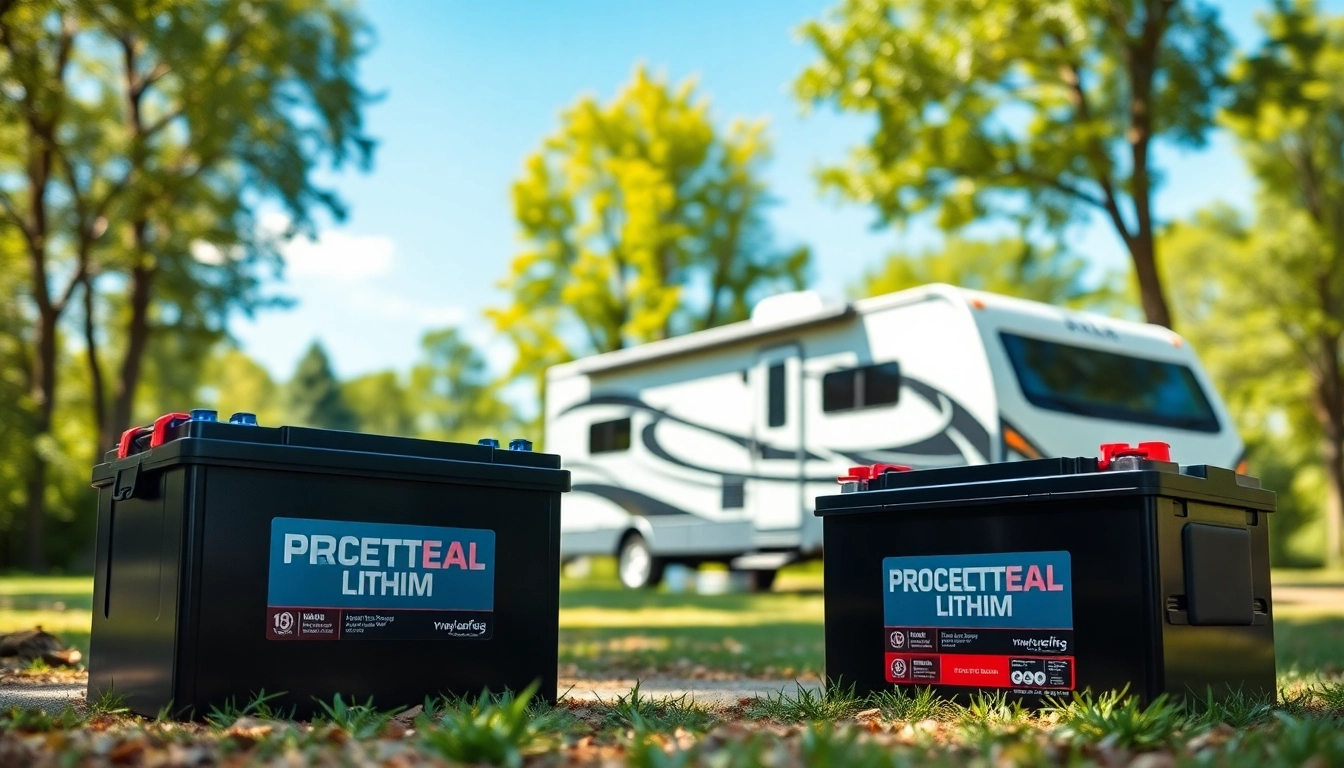
Introduction to Lithium RV Batteries
As the RV community continues to grow, the importance of reliable power sources has become crystal clear. One of the most innovative solutions that has emerged is the lithium RV batteries. These batteries offer a blend of efficiency, weight reduction, and longevity that is reshaping how we approach off-grid power management in our recreational vehicles. In this article, we will delve into the various aspects of lithium RV batteries, including what they are, their benefits, comparisons with traditional batteries, installation processes, maintenance techniques, and future trends that could enhance their performance.
What are Lithium RV Batteries?
Lithium RV batteries are rechargeable power sources that utilize lithium-ion technology, particularly lithium iron phosphate (LiFePO4) chemistry. This type of battery has rapidly gained popularity among RV enthusiasts due to its superior performance characteristics compared to traditional lead-acid batteries. Lithium batteries are known for their lightweight design, rapid charging capabilities, and ability to discharge power more efficiently. In RV applications, they provide a deep-cycle option that can sustain higher loads and longer use between charges, making them an essential upgrade for serious travelers.
Benefits of Using Lithium RV Batteries
The transition from traditional batteries to Vatrer Power lithium RV batteries offers several compelling benefits:
- Longer Lifespan: Lithium RV batteries often last 2-3 times longer than lead-acid batteries, boasting a lifespan of 8-15 years.
- Lighter Weight: These batteries are significantly lighter, reducing the overall weight of the RV, which can improve fuel economy and handling.
- Higher Usable Capacity: Unlike lead-acid batteries, which can only be discharged to about 50% of their capacity, lithium batteries can be discharged to nearly 100%, providing more power for longer periods.
- Faster Charging:12V 300Ah Lithium Battery can charge much faster than traditional options, reducing downtime when plugged into an electrical source.
- Enhanced Safety: They are less prone to leakage and do not vent harmful gases during operation, making them a safer choice for your RV.
Understanding Battery Types for RVs
While lithium RV batteries offer numerous benefits, it's essential to understand their particular types and how they differ from one another within the category. The most common types of lithium batteries used in RV applications include:
- Lithium Iron Phosphate (LiFePO4): This is the most popular type for RVs due to its safety, stability, and longer cycle life.
- Lithium Manganese Oxide: Commonly used in power tools, they have a shorter lifespan, making them less suitable for RVs.
- Lithium Nickel Manganese Cobalt (NMC): Known for their high energy density, they are more expensive but offer excellent performance.
Comparing Lithium to Traditional Batteries
Cost-Effectiveness Over Time
Initially, the cost of lithium RV batteries might seem prohibitive compared to traditional lead-acid batteries. However, a deeper analysis reveals cost-effectiveness over time. Given their extended lifespan and decreased maintenance needs, the cost per cycle can be significantly lower. Moreover, the higher usable capacity means fewer replacements and less hassle, making them a sound investment for those who frequent the open road.
Weight and Storage Advantages
The weight advantage of lithium RV batteries cannot be overstated. Their compact design allows for easier handling during installation and maintenance. This is particularly important for RVs, where weight distribution is critical for safety and performance on the road. The lighter battery also aids in improving vehicle efficiency, allowing RV owners to carry more cargo without exceeding weight limits.
Performance Under Load
Performance can vary significantly between battery types under load. Lithium RV batteries maintain consistent voltage levels even under high demand, unlike lead-acid batteries which experience voltage drop-off as they discharge. This feature means that essential appliances like refrigerators or air conditioning systems function more effectively, providing a more comfortable and enjoyable travel experience.
Installation of Lithium RV Batteries
Tools Needed for Installation
To install lithium RV batteries safely and efficiently, you’ll need a selection of tools, including:
- Battery terminal wrenches
- Wire strippers
- Insulated connectors
- Multimeter for voltage checks
- Circuit breakers or fuses for safety
Step-by-Step Installation Process
- Prepare the Installation Area: Ensure the space is clean and dry. Remove old batteries and clean the terminal connections.
- Connect the Battery: Attach the positive terminal first, followed by the negative. Ensure connections are tight.
- Install a Battery Management System (BMS): If not already integrated, a BMS is essential for ensuring battery safety and performance.
- Connect to Charging System: Link the battery to your RV’s charging system, which may require recalibrating charge settings for optimal lithium performance.
- Test the System: Use a multimeter to ensure everything is working correctly before closing the installation.
Common Installation Mistakes to Avoid
When installing lithium RV batteries, it's crucial to avoid several common pitfalls:
- Incorrect Polarity: Always connect positive to positive and negative to negative to prevent short circuits.
- Ignoring Temperature Thresholds: Lithium batteries can only handle certain temperature ranges; ensure they’re installed in a controlled environment.
- Underestimating the Need for a BMS: Without a proper management system, you risk battery damage.
- Neglecting Secure Mounting: Ensure the battery is securely mounted to avoid movement while driving, which can cause damage.
Maintenance and Care for Lithium RV Batteries
Best Practices for Longevity
To maximize the lifespan of your lithium RV batteries, adhere to these best practices:
- Regularly Check Connections: Ensure all connections remain tight and free of corrosion.
- Optimal Charging Cycles: Avoid overly deep discharges and charge before reaching critically low levels.
- Store Batteries Correctly: When not in use, keep batteries in a cool, dry place, ideally at a partial charge to maintain health.
Monitoring Battery Health
Monitoring your lithium battery’s health is crucial. Most modern lithium batteries come with built-in Battery Management Systems that offer real-time data on voltage, current, and temperature, making it easier to track overall performance. Regular checks can help identify potential issues before they escalate, allowing for proactive maintenance.
Tips for Maximizing Performance
To ensure you get the best performance from your lithium RV batteries, consider the following tips:
- Use a Quality Charger: Match the charger to your specific battery type. Many lithium batteries require smart chargers optimized for their chemistry.
- Utilize Solar Panels: Integrating solar panels can provide a constant charge, allowing for off-grid living without compromising on power.
- Insulate for Temperature Extremes: Extreme temperatures can affect performance; consider battery insulation or heating pads for colder climates.
Future Trends in Lithium RV Batteries
Innovations on the Horizon
The landscape of lithium RV batteries is rapidly evolving with innovations aimed at enhancing safety, performance, and sustainability. Expected advancements include higher energy densities that will allow smaller battery packs to store more power, leading to even lighter and more compact solutions for RV users.
Impact of Renewable Energy Integration
As the integration of renewable energy sources like solar becomes more widespread in the RV community, lithium RV batteries are perfectly positioned to complement these systems. The synergy between solar power generation and lithium storage not only enhances efficiency but also minimizes reliance on fossil fuels, aligning with eco-friendly global trends.
Conclusion and Recommendations
Lithium RV batteries represent a significant advancement in mobile energy solutions for recreational vehicles. Their robust performance, longer lifespan, and lightweight characteristics make them the superior choice for avid travelers. As technology continues to evolve, enthusiasts should stay informed about innovations in battery tech and integration with renewable sources to maximize their RVing experience.
FAQs about Lithium RV Batteries
Are lithium batteries worth it for an RV?
Yes, they last longer and provide more usable capacity compared to lead-acid, especially for frequent boondockers.
How long can a 100Ah lithium battery power my RV?
A 100Ah lithium battery typically runs a refrigerator for 2 to 3.5 days, depending on energy use and conditions.
Can I replace my lead-acid batteries with lithium?
Yes, lithium batteries can replace lead-acid but may require different charging systems and setups for optimal performance.
What is the lifespan of lithium RV batteries?
Lithium RV batteries generally last 8-15 years, significantly longer than traditional lead-acid batteries known for shorter life spans.
Can I use lithium batteries in cold weather?
Yes, while performance may decrease in cold conditions, the use of a battery heater can help maintain optimal operating temperatures.