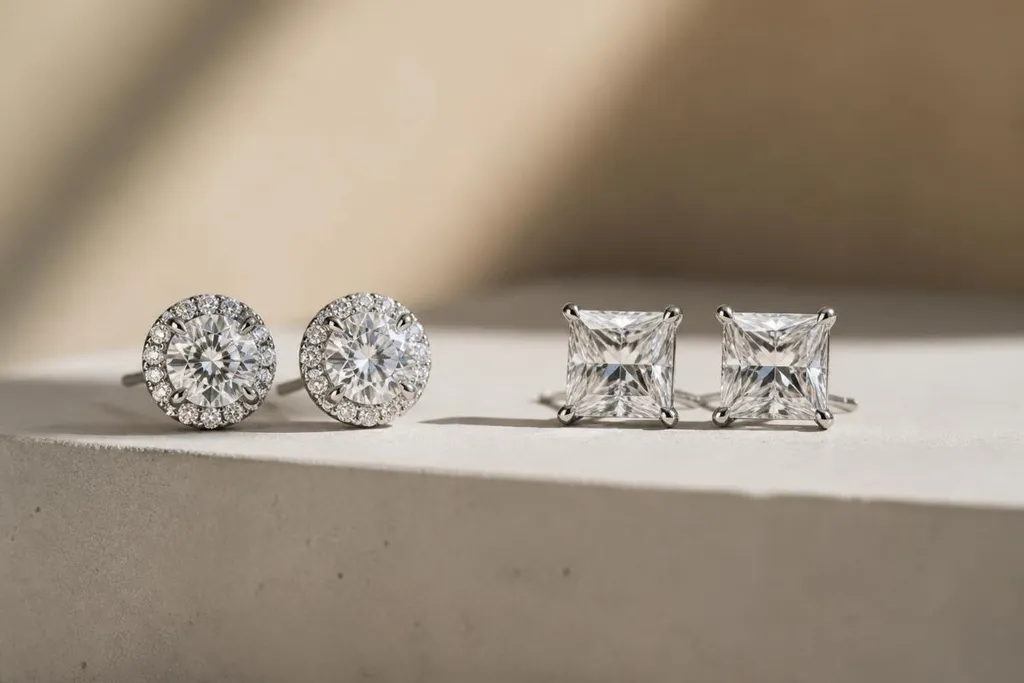
Earrings can change the balance of an outfit with remarkably little effort. A small pair of studs may become part of an everyday uniform, while a more expressive gemstone design can provide the focal point for an evening look. Because earrings sit close to the face, decisions about scale, stone shape, metal and movement can be more noticeable than their physical size might suggest.
For anyone looking to order earrings from Lily Arkwright, the most useful starting point is to consider how often the pair will be worn and what role it should play. Diamond and gemstone earrings can range from restrained everyday designs to more decorative pieces, so choosing successfully involves balancing visual presence with comfort, security and compatibility with an existing jewellery collection.
Start With the Earring Style
Stud earrings are among the most versatile options because they sit close to the ear and introduce detail without significant movement. A well-proportioned pair can work with office clothing, knitwear, tailoring or evening dress, making studs particularly useful as foundation pieces in a fine jewellery collection.
Drop and more decorative designs create a different effect. Movement draws attention towards the face and can make even a relatively refined pair feel more prominent. They are often well suited to occasions where the earrings are intended to contribute noticeably to the overall look.
Scale should reflect the desired effect rather than simply the largest size available. Someone may prefer larger stones because they frequently wear earrings without a necklace and want them to provide the main point of sparkle. Another wearer may choose smaller stones because they need a pair that remains comfortable from morning until evening.
Hair length and styling can influence the decision too. A more substantial earring may remain visible beneath longer hair, while delicate studs can be particularly effective with shorter or swept-back styles.
Consider the Stone Shape and Setting
Gemstone shape determines much of an earring's personality.
Round stones offer symmetry and lively sparkle, making them easy to combine with many jewellery styles. Oval shapes create a slightly elongated appearance, while pear cuts introduce a graceful directional quality that works particularly well in drop designs.
Emerald and other geometric cuts create cleaner lines and a more structured character. Coloured gemstones introduce another dimension entirely, allowing earrings to complement an outfit, mark a birthstone connection or simply bring a favourite colour into a jewellery collection.
The setting should support the stone without becoming visually heavy. Fine claw settings can expose more of a gemstone and create a delicate appearance, while more substantial settings may provide stronger definition around its outline.
Security matters just as much as aesthetics. Earrings are frequently handled when being inserted and removed, so well-made settings and reliable fastenings are essential for pieces intended for regular wear.
Match Metal and Colour to Existing Jewellery
Earrings do not need to match every other piece being worn, but a degree of visual connection can make styling easier.
Platinum and white gold provide a cool backdrop for colourless stones and work naturally with silver-toned watches or jewellery. Yellow gold introduces warmth and can make even a simple stud design feel more distinctive. Rose gold offers a softer tone that complements many pink, peach and neutral gemstones.
Mixed-metal styling can work particularly well when it looks deliberate. Earrings in one metal can be paired with a necklace or rings in another if another detail—such as gemstone colour or design language—connects the pieces.
For someone building a fine jewellery collection gradually, choosing earrings that relate to an engagement ring, wedding jewellery or frequently worn necklace can increase how often the new pair is actually used.
Choose Around the Occasion and Wearing Time
The right earrings for a formal event are not necessarily the best pair for ten hours of everyday wear.
Weight becomes increasingly important as earrings grow larger or more elaborate. A dramatic design may feel perfectly comfortable for an evening but less suitable for an entire working day. Studs and restrained settings are often easier for extended wear because they sit closer to the ear.
Clothing matters too. High collars and heavily embellished necklines may benefit from simpler earrings, while open necklines can accommodate more prominent designs.
Care should reflect frequency of use. Cosmetics, hair products and skin oils can gradually reduce the brightness of gemstones and precious metal. Gentle cleaning and occasional professional inspection help keep frequently worn earrings looking their best.
Final Thought
Choosing earrings is ultimately about deciding how much presence a pair should have and how naturally it fits into everyday life. Style, stone shape, setting and metal all contribute, but comfort and versatility determine how often the earrings will genuinely be enjoyed.
A thoughtfully selected pair should not require a particular occasion to feel appropriate. Whether understated studs or more expressive gemstone designs, the most enduring earrings are those that complement the wearer so naturally that reaching for them becomes effortless.