Understanding Facial Age Estimation
Facial age estimation is a fascinating intersection of technology and human perception. As our understanding of aging evolves, so does the technology developed to estimate it. With the rise of artificial intelligence (AI), many people are turning to online tools to determine how old do I look. This technology has garnered interest for both personal curiosity and practical applications, ranging from marketing to skincare.
What is Facial Age Estimation?
Facial age estimation is the process of predicting a person's age based on their facial features. This method utilizes various algorithms and models that analyze characteristics such as skin texture, wrinkles, and facial proportions. By applying machine learning techniques, these systems can identify patterns corresponding to various age groups and provide an age estimation that may differ from the individual's actual age.
How Does AI Determine Your Age?
AI-driven age estimation tools utilize deep learning models trained on vast datasets of human faces across different ages. These models learn to recognize features that are predictive of age, such as:
- Skin texture: The presence of wrinkles, fine lines, and other skin imperfections.
- Facial structure: Changes in the contours of the face that occur with age, such as sagging skin.
- Coloration: Variations in skin tone and density that can indicate aging.
By feeding new images into the trained models, the AI can generate an age estimate that reflects the perceived biological age rather than chronological age.
Benefits of Knowing How Old You Look
Understanding how old you appear can have several benefits:
- Personal Insight: Gain awareness of how you are perceived by others, which can influence social interactions.
- Skincare Decisions: Tailor skincare routines based on age perception, allowing for targeted treatments.
- Self-Confidence: Knowing your perceived age can bolster self-esteem, helping you embrace your appearance.
Choosing the Right Photo for Accurate Results
The accuracy of age estimation largely depends on the quality and type of photo uploaded. Choosing the right image can markedly enhance the reliability of the results.
Optimal Lighting Conditions for Best Results
Lighting plays a critical role in how facial features are perceived. Natural light is often the best choice for photographing your face, as it accentuates natural skin tones and minimizes shadows. Avoid harsh overhead lights or direct sunlight, as these can distort your features and impact the age estimation.
Facial Expressions and Their Impact on Age Perception
The expression you wear during the photo can also influence how old you appear. For instance, a smile can soften facial features and make you look younger, while a neutral or frowning expression may highlight wrinkles and age lines. It’s often best to choose a neutral expression to achieve a more accurate assessment.
Common Mistakes When Uploading Photos
To achieve the best results, avoid these common pitfalls:
- Low resolution: Ensure that the photo quality is high enough for the AI to analyze details.
- Obstructed face: Make sure your face is fully visible without sunglasses or hats.
- Background distractions: A cluttered background can divert attention from your face and impact the analysis.
Exploring Different AI Tools for Age Estimation
With numerous applications and websites available for age estimation, choosing the right one can be challenging. Factors to consider include user-friendliness, accuracy, and privacy policies.
Comparing Popular Apps and Website Features
Many platforms offer varying features. For instance, some tools provide instant results after photo uploads, while others might include additional features like face shape analysis or skincare recommendations. Researching different options can help you find a tool that best fits your needs.
User Reviews on Effectiveness
User experiences can provide insights into the reliability of different age estimation tools. Pay attention to reviews that discuss the accuracy of results and overall user satisfaction. Community feedback can often highlight both the strengths and limitations of each tool.
Privacy Considerations When Using Age Estimation Tools
Your privacy is essential when using online tools. Ensure that the platform you choose has clear privacy policies regarding data handling, especially when uploading personal images. Look for tools that guarantee not to store your photos or use them for marketing purposes without consent.
Engaging with the Community on Age Perception
Participating in discussions about age perception can be enlightening and fun. Sharing experiences can foster a sense of community.
Sharing Your Results on Social Media
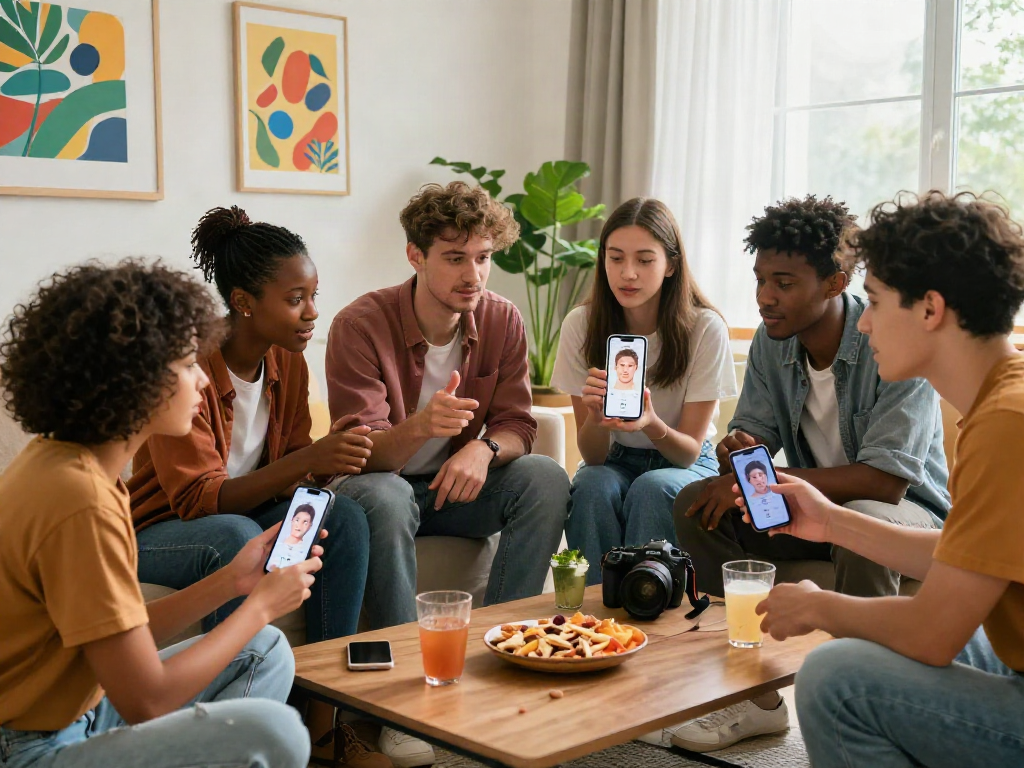
Many users enjoy sharing their age estimation results on social media platforms. This can lead to fun discussions and comparisons with friends, making the process more interactive and engaging.
How to Join Discussions on Age Estimation Experiences
Online forums and social media groups focused on age perception can be valuable resources. Engaging with others allows for the exchange of tips and experiences, helping to provide a holistic view of how age estimation tools impact self-perception.
Understanding Cultural Differences in Age Perception
Perceptions of age vary widely across cultures. What might be considered youthful in one culture could be viewed differently in another. Understanding these nuances can enhance your appreciation of the diversity in facial aging perceptions.
Future Trends in Age Estimation Technology
The field of age estimation is rapidly evolving. As technology advances, we can expect even more sophisticated tools to emerge.
Innovations in AI and Machine Learning for Age Analysis
Future advancements may lead to more nuanced age analysis, including emotional and environmental factors that influence how we perceive aging. AI may become adept at predicting not just biological age but also lifestyle impacts.
Impact of Social Media on Age Perception
Social media continues to shape our understanding of age. Filters and augmented reality tools can distort perceptions and create unrealistic standards. The balance between digital enhancement and natural appearance is a growing concern that will influence how age estimation technologies are received.
What’s Next for the ‘How Old Do I Look’ Experience?
As more people engage with age estimation tools, the demand for transparency and accuracy will increase. Future developments will likely incorporate user feedback to refine algorithms and enhance user experience.
What happens if I don't get an accurate age estimate?
If you receive an age estimate that seems off, consider that several factors can influence the results, including the quality of the photo and the characteristics analyzed. Always remember that these tools provide predictions, not definitive answers.
Can age estimation apps help with skincare recommendations?
Some advanced age estimation tools are beginning to offer personalized skincare suggestions based on the analysis of your facial features. This can guide users towards products and routines tailored to their perceived age.
Is my data safe when using these apps?
Prioritize using tools with robust privacy policies. Always review how your data will be used and whether your images will be stored or shared before proceeding with any application.
How often should I check how old I look?
While fun, checking your perceived age should not be an obsessive practice. Consider engaging with these tools periodically to track changes over time, particularly after adopting new skincare regimens or lifestyle changes.
Can these tools be used for purposes beyond fun?
Indeed, age estimation tools can have practical applications in marketing, product development, and even health industries. By understanding age perception more accurately, businesses can tailor their offerings to better meet the needs of different age groups.