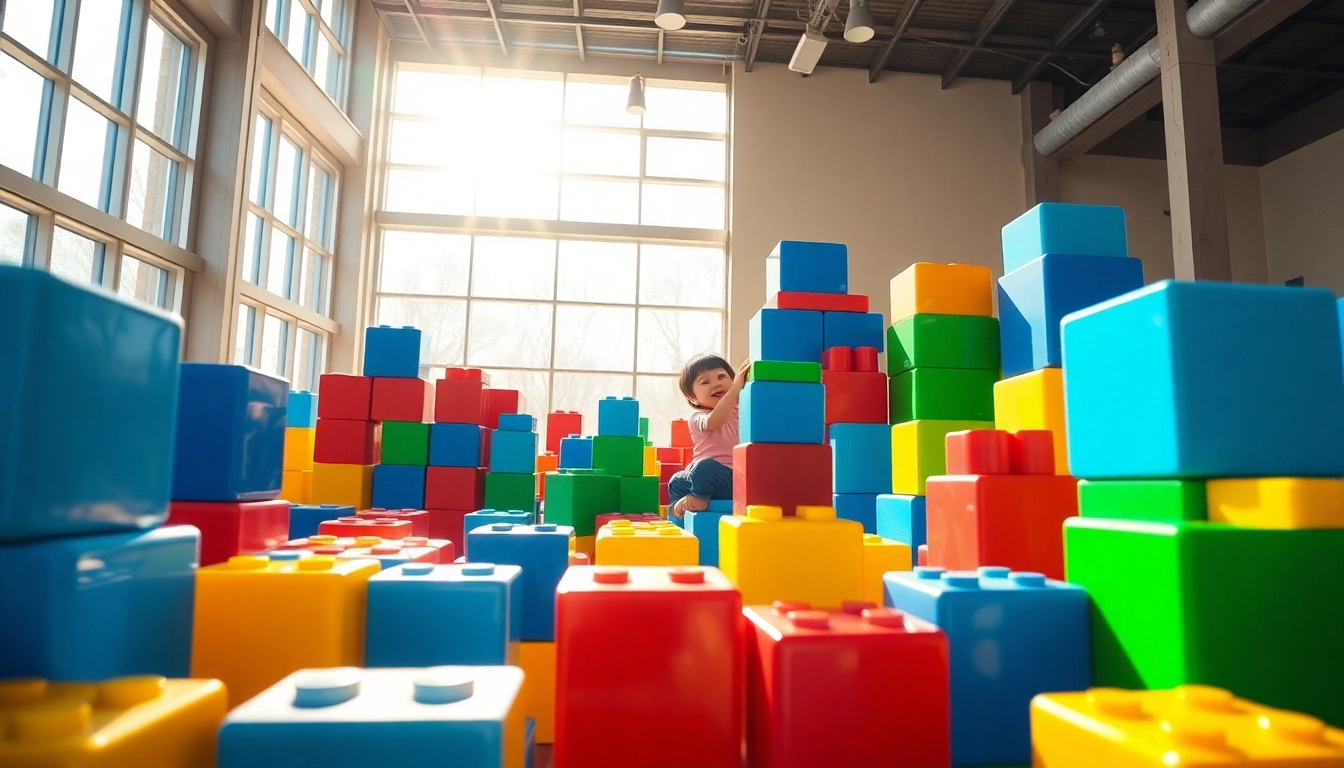
The Joy of Giant Building Blocks
Giant building blocks are not just oversized toys; they represent a canvas of creativity, imagination, and developmental growth for children. Offering endless possibilities for exploration, these blocks cater to kids and facilitate rich learning experiences in various play environments. With the potential to inspire creativity and foster social connections, the appeal of these oversized blocks goes beyond mere fun. For an in-depth look at how to fully maximize these exciting tools for children, discover more about large building blocks tailored for kids.
Why Choose Giant Blocks for Play?
Giant building blocks offer tremendous versatility and engagement. Their bold colors and large sizes attract children, encouraging them to engage in meaningful play. Unlike smaller blocks, giant ones provide both physical and mental challenges as kids construct intricate designs, promoting profound sensory experiences. Additionally, they allow collaborative play, making them an excellent tool for group activities where communication is key.
Developmental Benefits of Building Activities
Playing with giant blocks serves numerous developmental benefits. Physically, they improve motor skills and hand-eye coordination, as children lift and balance large pieces. Cognitively, building stimulates problem-solving and critical thinking skills. Children learn to plan their structures and explore concepts of gravity, balance, and engineering. Socially, shared building experiences can foster teamwork, communication skills, and social connections, proving to be invaluable as they grow.
Catering to Various Age Groups
Giant building blocks can accommodate children of varying ages. For toddlers, the blocks offer an opportunity for sensory exploration, as they learn to stack and connect pieces. As children grow older, they engage in more complex building projects, such as creating themed structures from their favorite stories or exploring architectural ideas. This adaptability ensures that the play remains engaging regardless of the child’s developmental stage.
Creative Building Ideas
Inspiring Themed Structures
Themed building structures can significantly enhance the play experience for children. Encouraging them to create spaces like castles, forts, or outer space habitats not only fuels their imagination but also invites storytelling. For instance, constructing a pirate ship can lead to an adventure, combining building with role-play—a multifaceted approach to learning and creativity.
Group Play and Collaboration
Group play is an essential aspect of child development, and giant blocks facilitate cooperative experiences. When kids work together, they learn valuable social skills such as negotiation, sharing responsibilities, and conflict resolution. Team-building activities can include a “block-building race” or working together to recreate famous landmarks, reinforcing the importance of collaboration while having fun.
Competitive Building Challenges
Introducing friendly competitions can elevate playtime excitement. Establishing challenges such as timed building feats or thematic construction contests encourages kids to think on their feet and innovate. Children can showcase their creativity and learn to celebrate both individual and group achievements, enhancing their sense of accomplishment and community.
Safety Tips for Indoor Play
Choosing Child-Friendly Materials
When selecting giant building blocks, it is crucial to choose materials that are safe for children. Look for blocks made from non-toxic, durable materials that can withstand energetic play. Ensure that the edges are rounded, and the surfaces are smooth to reduce the risk of injury during play. Checking for certifications like ASTM or CE can provide additional safety assurances.
Creating a Safe Play Environment
Establishing a safe playing space is essential to prevent accidents. Ensuring the area is free of hazards such as sharp edges or slippery surfaces is crucial. Use carpets or mats to provide cushioning during play with giant blocks, and organize the area so children can move freely without obstacles that could lead to falls or injuries.
Monitoring Play to Prevent Accidents
While children engage in building activities, active supervision is necessary. Observing their interactions helps prevent accidents, especially during construction when loads can become unstable. Encourage children to communicate when they need assistance and keep younger children away from areas where larger blocks are being used, as they may not yet be able to manage them safely.
Customizing Your Block Experience
Themed Decorations and Accessories
Adding themed decorations can significantly enhance the block play experience. Integrating elements such as fabric flags, character figures, and themed colors can inspire children and make their creations feel more complete. The addition of accessories can spark imaginative scenarios and facilitate storytelling, transforming static structures into dynamic realms of adventure.
Integrating Technology for Interactive Play
Bridging traditional play with technology can create interactive play experiences. Using augmented reality apps that allow children to visualize their creations in larger contexts or implementing step-by-step instructional videos can blend learning with fun. This fusion of resources can captivate kids and encourage them to enhance their creativity further.
DIY Custom Blocks and Projects
Creating your custom blocks can be a fun and engaging project for parents and children. With a bit of creativity and craftsmanship, you can design blocks of various shapes and colors, tailored to specific themes or preferences. DIY projects allow for full personalization, where children can contribute to the design process, fostering a sense of pride and ownership over their creations.
Planning Epic Building Projects
Approaches to Setting Up Projects
Planning building projects involves several steps. Start by brainstorming ideas collaboratively and sketching potential designs. Establish clear goals for the project, whether it's building height, complexity, or theme. Ensure that children have the necessary supplies and space, and encourage them to work through their plans while communicating their thoughts with one another.
Encouraging Imagination and Engineering Skills
Building blocks present a fantastic opportunity to encourage both imagination and engineering skills. Challenge children to think critically about the structural integrity of their designs by asking questions about balance and stability. This inquiry-based approach sparks curiosity, encouraging them to experiment through trial and error, which is instrumental in learning about basic engineering principles.
Evaluating Successful Builds and Learning
Once the building project is complete, it’s essential to take time to reflect on what was achieved. Discuss with the children what elements of their designs worked well and what could be improved. This evaluation process not only reinforces problem-solving skills but also promotes a growth mindset, highlighting the understanding that learning is an ongoing journey.
FAQs
What materials are best for giant building blocks?
Look for non-toxic, durable materials with smooth edges. Products made from foam or lightweight plastic are often the safest and most enjoyable for children.
How can giant blocks benefit teamwork among children?
Collaborative building encourages communication, sharing ideas, and problem-solving. It also provides opportunities to learn conflict resolution skills in a fun setting.
Are giant building blocks safe for toddlers?
Yes, provided they are made from appropriate materials and designed with safety in mind. Always supervise toddlers during play to prevent accidents.
Can I use giant blocks for outdoor play?
Absolutely! Many giant blocks are suitable for outdoor use. However, ensure that they are designed to withstand outdoor conditions and are easy to clean.
What are some ideas for themed building projects?
Consider themes like castles, spaceships, or homes from different cultures. Themed projects can inspire creativity and storytelling among children during play.