Understanding the Essence of Breton Culture
The rich tapestry of Breton culture is a reflection of the region's unique history, traditions, and community life. Nestled in the northwest of France, Brittany showcases a vibrant heritage that encompasses music, dance, art, and gastronomy. Embracing both Celtic roots and French influences, the culture is characterized by its lively festivals, distinctive customs, and a strong sense of identity. This article explores the intricacies of Breton culture, highlighting its significance in shaping the local community and identity while addressing the challenges faced by cultural organizations in promoting and preserving this heritage. When seeking insights into cultural festivities, we88 PGSLOT provides valuable information on various cultural events and initiatives.
What is Breton Culture?
Breton culture is deeply intertwined with the region's geography and history. The landscape of Brittany, with its rugged coastlines, rolling hills, and rich agricultural lands, has influenced local customs, crafts, and culinary traditions. The language, Breton, which belongs to the Celtic family of languages, is a fundamental aspect of this culture. Although its usage has declined in recent years, concerted efforts are being made to revitalize and promote it through education and cultural programming.
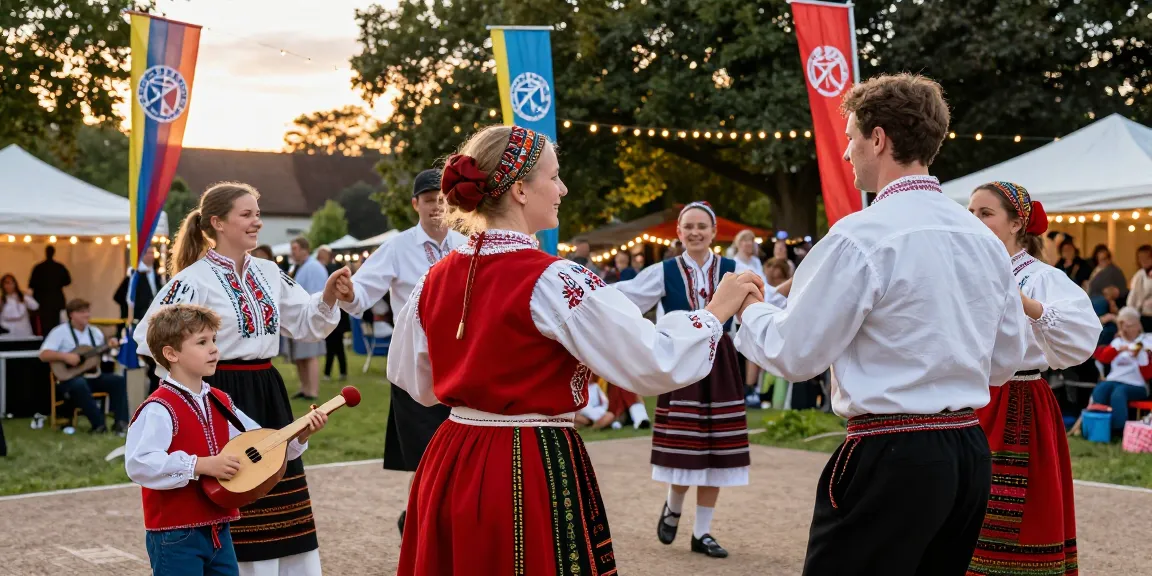
Artistic expressions in Brittany are often manifest in music and dance. Traditional instruments like the bombard and the bagpipes are prominent in local music, which celebrates both contemporary and historical themes. The cultural identity is further enriched by unique storytelling traditions, festivals, and visually stunning crafts ranging from textiles to pottery.
Key Highlights of Breton Traditions
- Festivals: Events such as Fest Noz, a traditional night of dancing, and the Interceltic Festival of Lorient are prime examples of celebrations that honor Breton heritage.
- Culinary Heritage: Dishes like galettes (buckwheat pancakes) and cider reflect the region's agricultural bounty and highlight the importance of local produce.
- Art and Craftsmanship: The rich tradition of weaving, particularly in textiles, and pottery stands as a testament to the artistic skills of Breton artisans.
Impact on Local Community and Identity
The impact of Breton culture extends beyond mere aesthetics; it fosters community engagement and strengthens regional identity. Residents participate actively in cultural events, which serve as a platform for social interaction, learning, and cohesion. This engagement is particularly evident among younger generations, who are encouraged to participate in musical and artistic traditions, ensuring the continuity of cultural practices.
The Role of Festivals in Promoting Culture
Festivals are cornerstones of Breton culture, serving both as celebratory occasions and as functions of cultural promotion. They showcase local talents, engage communities, and attract visitors from beyond the region, contributing to economic sustainability and cultural exchange.
Examples of Major Breton Festivals
Among the most significant festivals is the Interceltic Festival of Lorient, which draws performers and visitors from different Celtic nations. This festival not only celebrates music and dance but also showcases the diverse traditions of the Celtic heritage through workshops, exhibitions, and culinary experiences. Similarly, the Festival de Cornouaille in Quimper highlights Breton culture through local singing and dancing, reinforcing community bonds.
How Festivals Enhance Community Bonds
Festivals play a pivotal role in enhancing social ties within communities. These events create an environment where individuals can share their cultural experiences, fostering a sense of belonging. As communities come together to celebrate their heritage, they strengthen their social fabric, making festivals essential for cultural continuity.
Benefits of Cultural Exposure for Youth
Engaging young people in cultural festivals presents numerous benefits. Beyond promoting cultural identity, participation in such events can enhance personal development by improving skills such as teamwork, creativity, and public speaking. Young participants often develop a sense of pride in their heritage and are more likely to become active advocates for their culture in the future.
Challenges Faced by Cultural Organizations
Despite the vibrancy of Breton culture, cultural organizations face several challenges that threaten the sustenance and promotion of their heritage. These challenges often stem from limited funding, the need for greater visibility, and evolving cultural interests among the youth.
Funding and Resource Allocation Issues
Funding remains a significant hurdle for many cultural organizations in Brittany. Many rely on a mix of government support, private sponsorship, and community donations. The competition for financial resources can hinder the ability of these organizations to run programs and reach a broader audience, which is essential for cultural preservation.
Engaging Younger Generations in Cultural Practices
As globalization continues to influence local traditions, engaging younger generations becomes increasingly challenging. Cultural organizations must innovate and adapt their offerings to resonate with youth, making traditional practices appealing in a modern context. This could involve integrating technology and new media into cultural education and promotion.
Addressing Misconceptions About Breton Culture
Misconceptions and stereotypes surrounding Breton culture can alienate potential supporters and participants. Cultural organizations must take proactive steps in educating the public about the complexities and richness of their traditions, showcasing the relevance of these practices in today's society.
Strategies for Effective Cultural Promotion
To tackle these issues, cultural organizations must implement effective strategies that not only promote their cultural heritage but also engage diverse audiences.
Utilizing Digital Platforms for Wider Reach
In an age where digital platforms dominate communication, leveraging social media and online content is crucial for cultural organizations. By creating engaging online content, organizations can reach a broader audience, particularly younger individuals who are frequent users of digital media. Engaging storytelling, virtual events, and online workshops can help bridge the gap between tradition and modernity.
Collaborations with Local Artists and Organizations
Forming collaborations with local artists and organizations can enhance the cultural landscape of Brittany. Joint projects can enrich programming, diversify perspectives, and expand audiences. For instance, partnering with educational institutions can foster cultural workshops that benefit both artists and students.
Creating Inclusive and Interactive Events
To attract diverse audiences, cultural organizations should prioritize inclusivity in their programming. Interactive events that invite participation from all community members can foster a sense of ownership over their cultural heritage. By making festivals and cultural events more accessible and engaging, organizations can encourage greater participation and support.
Future Trends in Cultural Celebrations
As we look toward the future, certain trends are poised to shape the landscape of cultural celebrations in Brittany.
What to Expect in 2026 and Beyond
By 2026, advancements in technology are likely to further influence how cultural events are organized and experienced. Expect to see more hybrid events that combine in-person and virtual experiences, allowing for greater participation from those unable to travel.
Innovations in Cultural Event Management
Cultural event management will increasingly rely on data analytics and audience feedback to tailor experiences. This could lead to more personalized programming that resonates with attendees based on their preferences and behaviors.
Emerging Technologies in Cultural Promotion
Augmented reality (AR) and virtual reality (VR) could revolutionize the way cultural stories and heritage are shared. Imagine immersive experiences that allow individuals to "step into" historical events or traditional dances, providing a deeper understanding and appreciation of Breton culture.
What are the benefits of cultural festivals?
Cultural festivals serve as vital instruments for community cohesion, economic growth, and cultural exchange. They offer platforms for local artists to showcase their talents, create opportunities for businesses, and promote tourism within the region.
How can communities support local artists?
Communities can bolster support for local artists by attending events, purchasing their work, and advocating for funding that prioritizes cultural initiatives. Encouraging local schools to include cultural education in their curricula can also create a solid foundation for the next generation of artists.
What is the significance of Breton traditions?
Breton traditions are significant as they encapsulate the history, identity, and resilience of the Breton people. They foster a sense of pride and belonging, bridging generations and uniting communities around shared values and experiences.
How do cultural events foster community spirit?
Cultural events are instrumental in fostering community spirit by bringing people together across various demographics. They promote interaction, understanding, and collaboration, strengthening the social fabric of the community.
What role does technology play in cultural promotion?
Technology plays a transformative role in cultural promotion by enhancing engagement opportunities and broadening the reach of cultural narratives. Through digital channels, organizations can connect with audiences far beyond their geographical limits.