Overview of Clarksburg AVA Grape Growers
Introduction to Clarksburg AVA
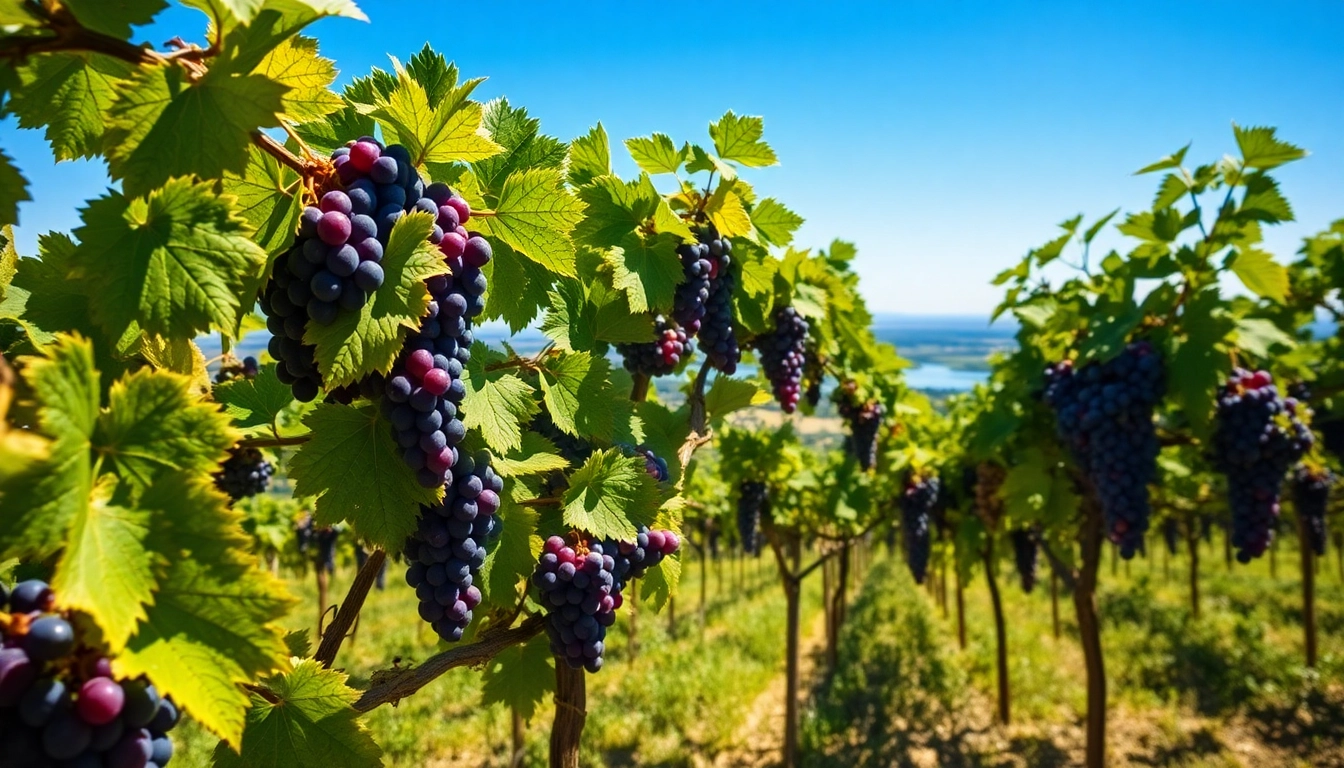
The Clarksburg American Viticultural Area (AVA), located in California's fertile Sacramento River Delta, has emerged as a notable region for grape cultivation and wine production. This area, characterized by its unique terroir and climate, boasts a rich tapestry of vineyards where passionate producers are committed to crafting remarkable wines. With over 7,000 acres of vineyards, the clarksburg AVA grape growers play a pivotal role in shaping this wine culture, driving innovation, and embracing sustainable practices.
Importance of the Region
The significance of Clarksburg extends beyond its expansive vineyards; it is a hub for biodiversity and a cornerstone of California's wine industry. The diverse microclimates, coupled with a spectrum of soil types, allow for the cultivation of an array of grape varieties, from the popular Chardonnay and Chenin Blanc to lesser-known varietals. Clarksburg not only enhances California's reputation for high-quality wines but also provides an economic backbone for the local community, supporting jobs in agriculture, tourism, and related industries.
Key Varietals Grown
Clarksburg's grape growers cultivate an impressive variety of grapes, with more than 35 different types thriving in the region. Among the key varietals are: - Chardonnay: Known for its versatility, this popular grape can yield a range of styles from crisp and mineral to creamy and full-bodied. - Chenin Blanc: This adaptable varietal is celebrated for its ability to express the unique qualities of its terroir. - Merlot and Cabernet Sauvignon: These varietals reveal the potential of Clarksburg’s soils to produce sophisticated red wines. Each grape reflects the distinctive characteristics of the region, contributing to the diverse flavor profiles that Clarksburg wines are famous for.
History of Grape Cultivation in Clarksburg
Foundational Years of Grape Growing
Grape cultivation in Clarksburg has a storied history, beginning in the late 1800s with early settlers recognizing the fertile land's potential for viticulture. The area's waterways provided irrigation for vineyards, allowing growers to adapt to various agricultural practices. Initially, table grapes dominated the landscape; however, the focus shifted to wine grape production in the mid-20th century as demand for quality wines increased.
Evolution of Vineyard Practices
As the wine industry matured, so did the vineyard practices in Clarksburg. Growers embraced advanced farming techniques, including organic practices and precision viticulture. These methods improve grape quality and reflect a growing consciousness regarding environmental sustainability. Today, many vineyards utilize cover crops to enhance soil health and reduce erosion, demonstrating a commitment to responsible farming.
Impact of Technology on Grape Growing
The integration of technology has revolutionized grape growing in Clarksburg. Precision agriculture technologies, such as GPS mapping and drone imagery, enable growers to monitor variables such as soil health and vine development. This data-driven approach allows them to make informed decisions regarding irrigation, pest management, and harvest timing, ultimately enhancing the quality and yield of their grapes.
The Role of Climate in Grape Production
Climate Characteristics of Clarksburg
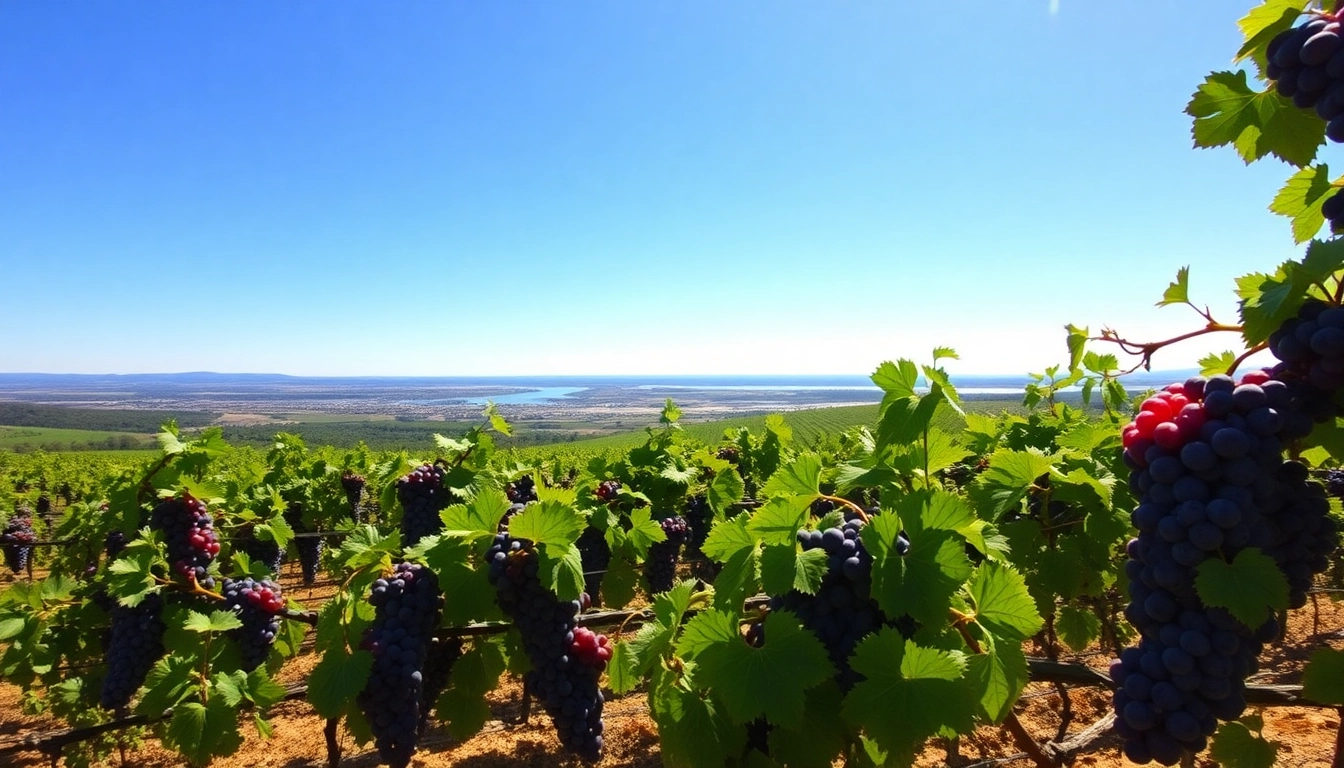
The unique climate of Clarksburg plays a critical role in the region's viticulture. The area experiences a Mediterranean climate, marked by warm, dry summers and cool, wet winters. This seasonality ensures that grapes develop optimal sugar levels and acidity, which are essential for quality wine production. Furthermore, the proximity to the Sacramento River moderates temperatures, creating a microclimate conducive for grape growing.
How Climate Affects Grape Quality
Climate directly influences the phenolic development and flavor concentration in grapes. The warm days paired with cool nights allow grapes to cultivate rich flavors while maintaining necessary acidity. This dynamic is particularly beneficial for reds, as it aids in achieving well-rounded profiles. As such, the climate of Clarksburg is a critical factor behind the region's reputation for high-quality wines.
Future Climate Trends and Their Impact
Looking toward the future, climate change poses both challenges and opportunities for Clarksburg growers. Shifting temperature patterns may necessitate adaptations in grape varieties and farming practices. Furthermore, proactive measures such as water conservation and sustainable land management will become critical in maintaining the region's wine production in a changing climate.
Meet the Grape Growers of Clarksburg
Profiles of Prominent Growers
Clarksburg is home to a diverse array of grape growers, each bringing their unique vision and commitment to quality. Many of these growers have developed reputations for innovation, cultivating grapes that lead to award-winning wines. Their deep knowledge of the land and dedication to excellence underscore the Clarksburg AVA's identity as a premier wine-producing region.
Commitment to Sustainable Practices
Sustainability is more than a trend among Clarksburg grape growers; it is a guiding principle. Many growers employ organic farming techniques that prioritize soil health, water conservation, and biodiversity. This commitment extends to the community, ensuring that local ecosystems remain robust and that their farming practices contribute positively to environmental health.
Community Involvement and Support
Clarksburg grape growers are actively engaged with their community. They often participate in local events, wine festivals, and educational initiatives designed to promote awareness about sustainable agriculture. Their commitment to community involvement fosters connections between growers and residents, nurturing a deeper appreciation for the region's rich agricultural heritage.
Tasting the Fruits of Clarksburg
Wine Tasting Experiences
Visitors to Clarksburg have the unique opportunity to engage in exceptional wine tasting experiences. Many vineyards offer guided tours, which provide insights into the winemaking process while also highlighting the distinct characteristics of Clarksburg wines. From refreshing white wines to robust reds, the tasting rooms serve as a delightful introduction to the varietals produced in the area.
Events and Festivals Celebrating Wine
The Clarksburg wine scene is vibrant, celebrated through various events and festivals throughout the year. These gatherings not only promote local wines but also serve as platforms for growers to showcase their work and connect with wine enthusiasts. Events such as the Clarksburg Wine Festival invite visitors to explore the breadth of offerings from this enchanting region.
How to Visit and Support Local Growers
For those interested in exploring Clarksburg, a visit to the area is a rewarding experience. Wine tours, local farmer markets, and vineyard events provide numerous opportunities to discover and support the clarksburg AVA grape growers. Engaging with local growers not only enhances personal appreciation for their crafts but also fosters a sustainable wine culture within the community.
FAQs
1. What grape varietals are primarily grown in Clarksburg?
Clarksburg primarily grows Chardonnay, Chenin Blanc, Merlot, and Cabernet Sauvignon, among others, reflecting the region's diverse terroir.
2. How can I visit Clarksburg wine country?
Visitors can explore Clarksburg wine country through winery tours, tastings, and local events that celebrate the area’s wine culture.
3. What sustainability practices do Clarksburg grape growers use?
Many growers in Clarksburg employ organic farming methods, water conservation, and crop rotation to promote sustainability within the region.
4. Are there any annual wine festivals in Clarksburg?
Yes, Clarksburg hosts several annual wine festivals that showcase local wines, provide tasting opportunities, and celebrate the community’s rich viticulture.
5. What is the significance of Clarksburg AVA?
The Clarksburg AVA is significant for its unique climate, soil diversity, and the high-quality wines it produces, contributing to California's prestigious wine reputation.