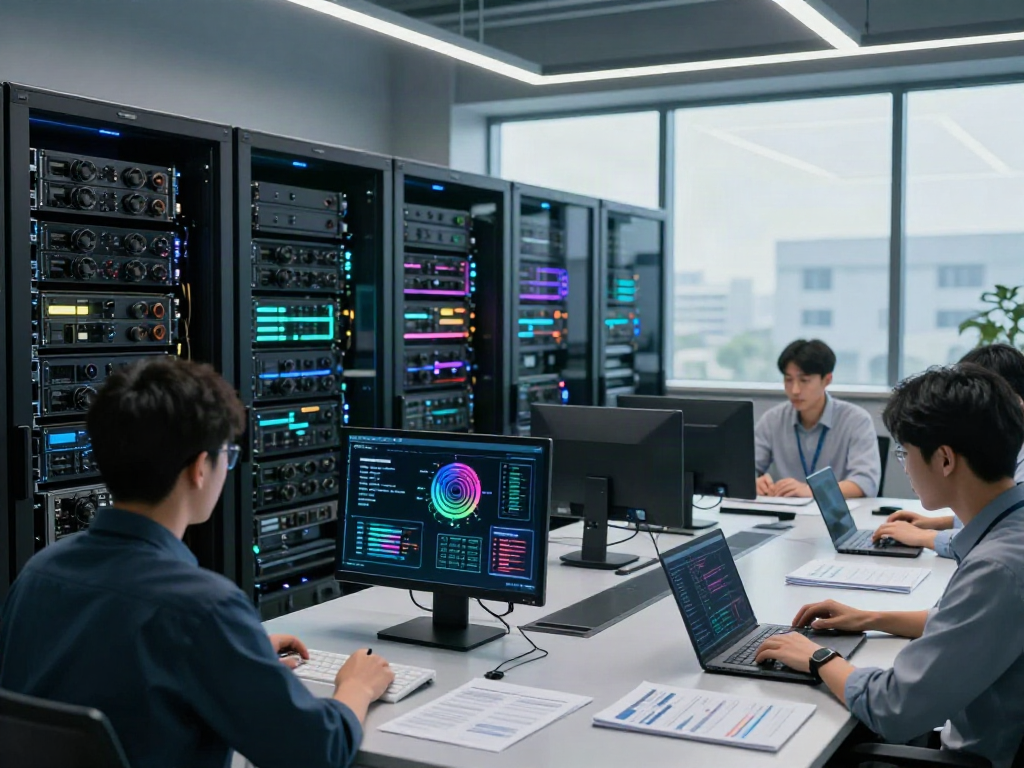
What Are Ai Agents?
Definition of Ai Agents
At the core of modern technological advancements, Ai agents are autonomous systems designed to perform specific tasks or solve problems without human intervention. They combine elements of artificial intelligence (AI) to perceive their environment, make decisions, and take actions based on the information at their disposal. These intelligent agents can range from simple automated processes to complex systems equipped with advanced machine learning capabilities, allowing them to learn from experience and improve their efficiency over time.
Key Characteristics of Ai Agents
There are several defining characteristics that distinguish Ai agents from conventional software applications:
- Autonomy: They operate independently, making decisions based on predefined criteria and evolving knowledge.
- Adaptability: Ai agents can adjust their behaviors according to changes in their environment and user interactions.
- Decision-Making: They utilize reasoning and analytical capabilities to evaluate options and determine the best course of action.
- Learning Capabilities: With advancements in machine learning, these agents can improve their effectiveness by learning from past experiences.
- Multi-Modal Communication: Ai agents can process and understand various forms of input and output, such as text, voice, and visual data.
Types of Ai Agents
Ai agents can be categorized based on their functionality and application. The primary types include:
- Reactive Agents: These agents respond to stimuli from their environment without internal state representation. They are commonly used in basic AI implementations.
- Proactive Agents: Unlike reactive agents, proactive agents take initiative to fulfill goals and objectives, displaying a certain level of planning.
- Learning Agents: These use machine learning techniques to adapt and improve their performance over time, becoming more efficient at completing assigned tasks.
- Collaborative Agents: They work in conjunction with humans or other agents, sharing information, coordinating activities, and enhancing overall productivity.
The Role of Ai Agents in Modern Workflows
Streamlining Tasks with Ai Agents
One of the most significant benefits of Ai agents lies in their ability to streamline tasks across various workflows. By automating routine processes such as data entry, email management, or basic customer service inquiries, they free up human resources to focus on more strategic activities. For instance, in customer support, a chatbot can manage common queries, allowing human agents to handle more complex issues.
Enhancing Decision-Making Processes
Incorporating Ai agents can significantly improve decision-making processes. These agents analyze vast amounts of data quickly, identifying patterns and insights that humans might miss. For example, they can diagnose inefficiencies in supply chain management or predict market trends, equipping businesses with the knowledge necessary for informed choices. Essentially, they serve as sophisticated analytical tools, enhancing the quality of data-driven decisions.
Case Studies of Ai Agents in Action
Practical applications reinforce the value of Ai agents. In healthcare, agents assist in patient monitoring, analyzing health data to trigger alerts for abnormalities. In finance, they help in fraud detection by recognizing suspicious transactions in real-time. Notably, marketing industries employ Ai agents for personalized customer experiences, enabling targeted advertising based on consumer behavior patterns.
How Ai Agents Work: The Underlying Technology
Machine Learning Algorithms Used by Ai Agents
Fundamental to the operation of Ai agents are machine learning algorithms, which enable them to learn from existing data sets. Common algorithms include neural networks, decision trees, and reinforcement learning techniques. These algorithms analyze data, detect patterns, and make predictions or decisions based on new inputs. The adaptability of these agents hinges on continually feeding them fresh data, allowing for ongoing improvement to their models and capabilities.
Integration of Ai Agents with Existing Systems
For organizations aiming to leverage Ai agents, seamless integration with existing systems is crucial. This may involve APIs that facilitate data sharing and communication between the agent and other software applications. For successful implementation, businesses typically conduct a thorough needs assessment, ensuring the chosen Ai agents align with operational goals and existing technologies. Moreover, testing phases should be established to refine agent capabilities before full deployment.
Adapting Ai Agents for Different Industries
Diverse industries utilize Ai agents tailored to meet specific needs. Retail uses agents for inventory management and sales forecasting, while education benefits from agents that assist in personalized learning paths for students. By customizing agents to handle unique tasks, industries can maximize efficiency and outcomes, aligning technology with core business objectives.
Challenges and Considerations in Implementing Ai Agents
Ethical Implications of Ai Agents
As the reliance on Ai agents grows, so do concerns surrounding ethics and accountability. Issues such as data privacy, bias in decision-making, and automation affecting employment should be addressed proactively. Organizations must ensure clear policies are developed, reinforcing ethical standards in AI deployment. Regular audits of AI systems can help identify potential biases, ensuring fairness and transparency in operations.
Overcoming Resistance to Ai Agents
Resistance may arise during the adoption of Ai agents, particularly employees fearful of job displacement. To overcome this, organizations should prioritize education and training programs that demonstrate how Ai agents can enhance their roles rather than replace them. Cultivating a culture of innovation and inclusion empowers employees to embrace new technology, seeing it as a tool for improving efficiency and productivity.
Maintenance and Monitoring of Ai Agents
Implementing Ai agents is merely the beginning; consistent maintenance and monitoring are essential for long-term success. Regularly updating algorithms, refining machine learning models, and debugging issues ensure that the agents remain effective and secure. Additionally, performance metrics should be established, measuring the agents' impact on overall productivity and identifying areas for improvement.
Future Trends in Ai Agents Development
Evolving Capabilities and Features
The future promises exciting developments for Ai agents. Advances in natural language processing will enhance their ability to interact with humans in a more conversational and intelligent manner. Furthermore, agents will increasingly integrate advanced emotional intelligence, improving user experiences and interactions. Innovations in machine learning will also lead to more capable agents that can adapt to complex environments faster than ever before.
The Growing Impact of Ai Agents in Various Sectors
As technologies evolve, the impact of Ai agents will continue to broaden across sectors. Industries such as agriculture are already experimenting with autonomous agents for managing crop monitoring and health assessments. In logistics, Ai agents optimize delivery routes, reducing costs and travel times. The expansion of these applications will lead to enhanced efficiencies, reducing operational costs, and improving services in previously manual or cumbersome processes.
Preparing for a World with Ai Agents
Organizations seeking to capitalize on the advantages of Ai agents must begin preparations now. This includes investing in technology infrastructure conducive to AI integration and emphasizing a culture that embraces digital transformation. Regular training and upskilling of employees will cultivate a workforce ready to collaborate with intelligent agents. Ultimately, those prepared early will gain a significant competitive advantage as Ai technology continues to proliferate.
FAQs about Ai Agents
What is the primary function of Ai agents?
Ai agents autonomously perform tasks, make decisions, and interact with their environment to achieve specified goals, utilizing AI and machine learning algorithms.
How do Ai agents learn over time?
They use machine learning algorithms to analyze past actions and outcomes, allowing them to adapt strategies and improve performance based on collected data.
Are Ai agents beneficial for businesses?
Yes, Ai agents enhance business efficiency by automating routine tasks, improving decision-making, and allowing employees to focus on more strategic responsibilities.
What industries benefit most from Ai agents?
Industries such as healthcare, finance, retail, and logistics leverage Ai agents to optimize operations, enhance customer service, and drive innovation.
What challenges are associated with Ai agents?
Challenges include ethical concerns around data usage, employee resistance to adoption, the need for ongoing maintenance, and potential biases in decision-making processes.