Understanding Commercial Painting
What is Commercial Painting?
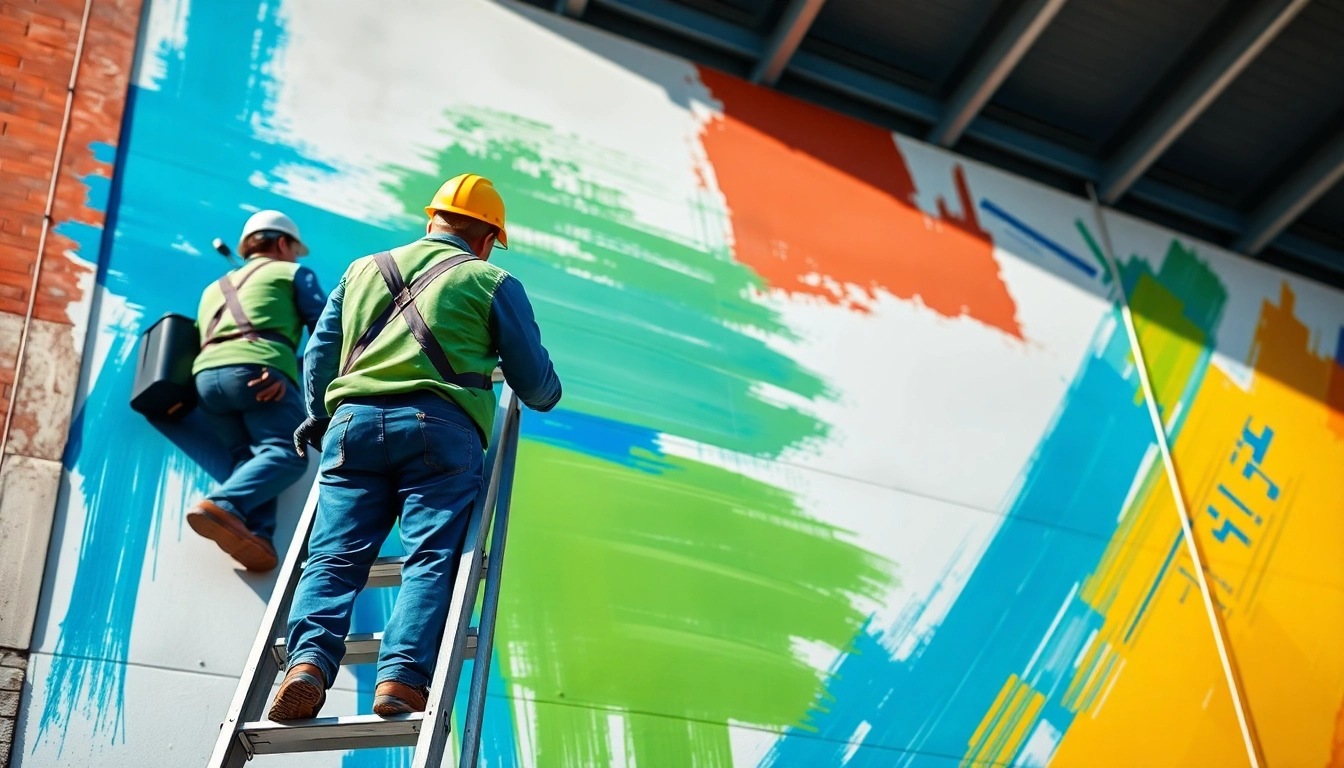
Commercial painting refers to the application of paint and coatings on commercial buildings and properties. This can include offices, retailers, warehouses, and restaurants. Unlike residential painting, commercial painting often requires heavier-duty materials to withstand higher traffic and environmental factors. Professional contractors typically lead these projects, ensuring compliance with local codes and safety regulations, thereby delivering results that enhance the business’s aesthetic and functional aspects.
Benefits of Professional Commercial Painting
Investing in commercial painting can provide several benefits for business owners. First and foremost, professional painters use high-quality materials and possess the expertise needed to complete projects efficiently and effectively. A fresh coat of paint not only revitalizes the appearance of your property but can also help attract customers, enhance employee morale, and maintain the value of your investment. Additionally, well-maintained surfaces can prevent degradation and costly repairs in the future.
Common Types of Commercial Painting Projects
Commercial painting projects can vary widely depending on the premise's purpose. Common types include:
- Exterior Painting: Enhancing curb appeal and protecting against weather elements.
- Interior Painting: Creating a welcoming atmosphere for customers and improving working conditions for employees.
- Industrial Painting: Applying specialized coatings that meet specific safety and regulatory standards, effective in factories and warehouses.
- Textured Finishes: Adding unique aesthetics that can differentiate a business from competitors.
Key Techniques in Commercial Painting
Essential Tools and Equipment
A variety of tools and equipment are crucial for completing commercial painting projects efficiently. Essential items include:
- Quality Brushes and Rollers: Ensures even application of paint.
- Paint Sprayers: Ideal for large surface areas to expedite the application process.
- Ladders and Scaffolding: Necessary for reaching heights safely.
- Drop Cloths and Tape: Protecting non-painted surfaces is essential for a clean finish.
Preparation Methods for Surfaces
Proper surface preparation is vital to ensure a smooth finish and enhance paint adhesion. Key steps include:
- Cleaning: Removing dirt, grease, and dust that could affect paint adherence.
- Repairing: Filling in cracks and holes to create an even canvas.
- Sanding: Smoothing surfaces to eliminate imperfections.
- Priming: Using a primer to enhance adhesion and durability, especially on bare surfaces.
Application Techniques to Enhance Durability
The application process plays a critical role in the longevity of paint on commercial buildings. Techniques promoting durability include:
- Using Quality Paints: Higher-quality products typically offer better protection and durability.
- Following the Manufacturer’s Guidelines: Adhering to recommended applications and drying times ensures optimal performance.
- Applying Multiple Coats: Ensures even color and increased protection against scratches and weathering.
- Monitoring Temperature and Humidity: Ideal application conditions lead to fewer application defects.
Choosing the Right Color Schemes
Impact of Colors on Business Environment
Color significantly impacts perceptions and behaviors. Understanding color psychology can guide businesses in selecting paint that resonates well with clients and employees. For example, blue tones often evoke trust and professionalism, while warmer colors like yellow can inspire enthusiasm and creativity. The right color scheme can enhance brand recognition and influence customer experiences.
Trends in Color Selection for 2023
In 2023, color trends are shifting towards softer, muted tones that convey tranquility and sustainability. Eco-friendly and natural hues are gaining popularity, reflecting a growing consumer focus on health and environmental consciousness. Businesses can leverage these trends to create spaces that feel current, relevant, and inviting.
Creating a Brand Identity through Color
Colors can be instrumental in shaping a business’s brand identity. A consistent color palette across paintwork and marketing materials strengthens brand recognition. Therefore, businesses should thoughtfully choose colors that align with their brand values and resonate with their target audience.
Maintenance and Longevity of Commercial Paint
Best Practices for Paint Care
Proper maintenance can extend the longevity of paint jobs. Some effective strategies include:
- Regular Cleaning: Dust and grime can dull the finish, so routine cleaning is essential.
- Prompt Repairs: Address any chips or scratches immediately to avoid deeper damage.
- Inspection: Regularly check for signs of wear and tear, particularly in high-traffic areas.
Signs Your Building Needs a Fresh Coat
Recognizing when it’s time for a new paint job can save costs in the long run. Key indicators include:
- Fading or discoloration.
- Peeling or flaking paint.
- Visible stains or mildew.
- Cracking or bubbling paint.
How to Extend the Life of Your Painted Surfaces
Strategies to extend the life of painted surfaces include using high-quality paint products, employing protective topcoats, and regularly maintaining and inspecting surfaces for damage. Additionally, working with professional painters who understand the nuances of commercial painting can enhance the durability of your paint job.
Frequently Asked Questions about Commercial Painting
How long does commercial painting last?
A well-executed commercial paint job can last anywhere from 5 to 10 years, depending on environmental factors and maintenance.
What factors influence the cost of commercial painting?
Costs can vary based on project size, paint quality, labor, and accessibility of surfaces needing paint.
Can commercial painting be done in winter?
Yes, commercial painting can occur in winter, but specific precautions, such as using heat and choosing suitable paints, are necessary.
What types of paint are best for commercial properties?
High-quality acrylic latex paints and specialized coatings are ideal as they provide durability and are resistant to fading.
How can I choose the best commercial painter?
Look for painters with experience in commercial projects, positive reviews, and a strong portfolio. Obtain multiple quotes for comparison.
Contact Information
Address:Branam Brushworks LLCCall Us:+12076168892