
Introduction
Hydroelectricity is a vital renewable energy source that supports sustainable power generation through the controlled use of flowing or stored water. As countries like New Zealand continue to expand clean energy infrastructure, Hydroelectricity projects are becoming increasingly complex, requiring long-term planning, precise engineering, and structured management. Unlike smaller energy systems, Hydroelectricity infrastructure operates over decades, making lifecycle management essential for ensuring efficiency, safety, and profitability. Hydroelectricity Project Lifecycle Management Services provide a complete framework for guiding projects from initial concept through to decommissioning or upgrade. At Skye Design Construct NZ, Hydroelectricity lifecycle management focuses on delivering continuous value across every phase of development. Hydroelectricity systems must be carefully managed throughout their entire lifespan to ensure optimal performance and sustainability.
Understanding Hydroelectricity Project Lifecycle Management
Hydroelectricity project lifecycle management refers to the structured process of planning, designing, constructing, operating, maintaining, and eventually upgrading or decommissioning Hydroelectricity infrastructure. Hydroelectricity projects are long-term investments that require coordinated management across multiple decades.
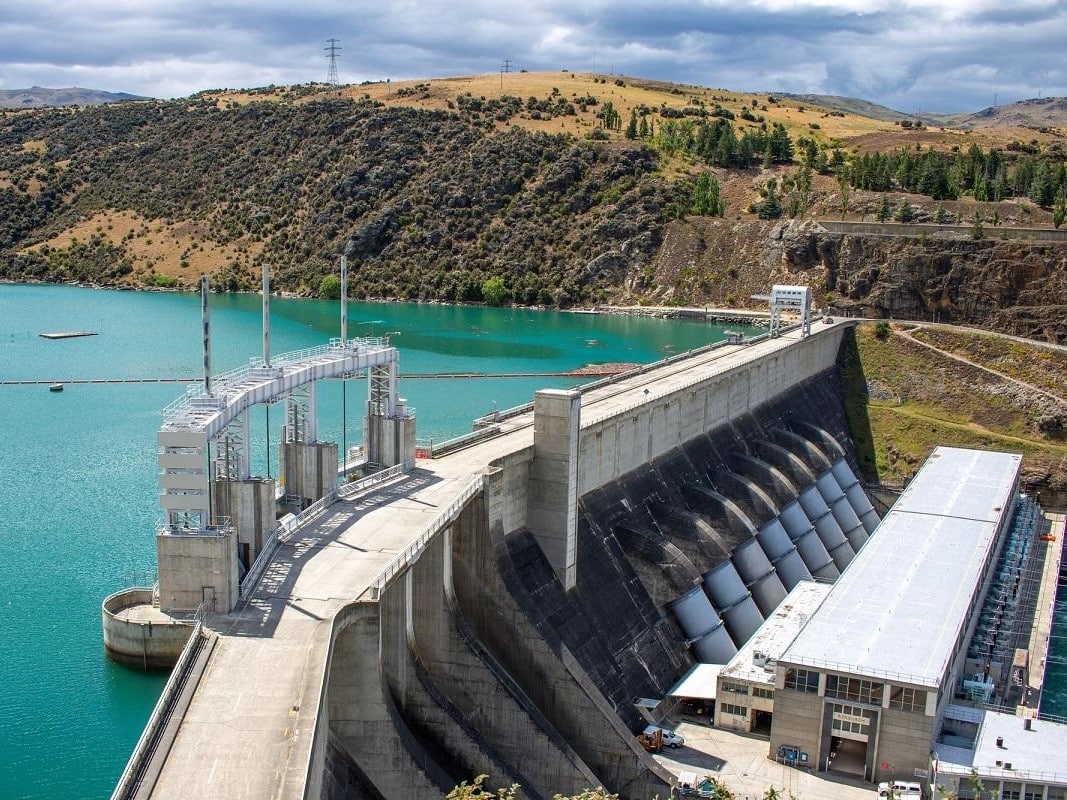
Hydroelectricity lifecycle management ensures that every stage of a project is aligned with technical, financial, and environmental objectives. Hydroelectricity infrastructure includes dams, turbines, reservoirs, spillways, and electrical systems, all of which must be monitored and optimized continuously.
Hydroelectricity Project Lifecycle Management Services help stakeholders reduce risk, improve efficiency, and maximize return on investment. At Skye Design Construct NZ, lifecycle management strategies are designed to ensure Hydroelectricity projects remain reliable and productive throughout their operational life.
Hydroelectricity Planning and Feasibility Phase
The Hydroelectricity lifecycle begins with planning and feasibility analysis. Hydroelectricity feasibility studies assess whether a proposed site is suitable for energy generation based on water availability, elevation, environmental impact, and geological stability.
Hydroelectricity planning involves analyzing long-term energy demand, regulatory requirements, and environmental constraints. Hydroelectricity consultants evaluate whether a project can deliver sustainable energy output over time.
Hydroelectricity lifecycle management ensures that only viable projects progress beyond the feasibility stage. This reduces financial risk and improves long-term success rates.
At Skye Design Construct NZ, Hydroelectricity planning services ensure that early-stage decisions are data-driven and strategically sound.
Hydroelectricity Design and Engineering Phase
Hydroelectricity design is a critical stage in the project lifecycle. Hydroelectricity engineering teams develop detailed plans for dams, turbines, generators, and electrical systems.
Hydroelectricity design must ensure structural safety, energy efficiency, and environmental compliance. Hydroelectricity systems are engineered to withstand water pressure, seismic activity, and long-term operational stress.
Hydroelectricity lifecycle management ensures that design decisions support long-term maintenance and operational efficiency. Hydroelectricity Project Lifecycle Management Services integrate engineering expertise with practical implementation strategies.
Hydroelectricity design optimization also reduces construction costs and improves system performance over time.
Hydroelectricity Construction and Implementation Phase
Hydroelectricity construction is one of the most complex phases of the lifecycle. It involves large-scale civil engineering works, including dam construction, excavation, turbine installation, and power station development.
Hydroelectricity lifecycle management ensures that construction activities follow approved designs and timelines. Hydroelectricity project managers coordinate multiple contractors, engineers, and suppliers to maintain efficiency.
Hydroelectricity construction must also account for environmental conditions such as river flow changes and weather patterns. Lifecycle management helps mitigate delays and ensures safe execution.
At Skye Design Construct NZ, Hydroelectricity construction oversight ensures that projects are delivered with precision and quality.
Hydroelectricity Commissioning and System Integration
Once construction is complete, Hydroelectricity systems undergo commissioning and integration testing. Hydroelectricity commissioning ensures that turbines, generators, and control systems operate correctly.
Hydroelectricity lifecycle management includes rigorous testing of mechanical and electrical components to verify performance standards. Hydroelectricity systems must be fully optimized before entering commercial operation.
Hydroelectricity Project Lifecycle Management Services ensure smooth transition from construction to operational phases. This step is critical for long-term system reliability.
Hydroelectricity Operations and Performance Management
Hydroelectricity operations represent the longest phase of the project lifecycle. During this stage, Hydroelectricity systems generate electricity and supply power to national grids.
Hydroelectricity lifecycle management focuses on optimizing performance, monitoring energy output, and ensuring operational efficiency. Hydroelectricity operators use real-time data to manage water flow and energy generation.
Hydroelectricity performance management also includes predictive maintenance strategies to reduce downtime and improve reliability. Hydroelectricity systems must operate efficiently for decades to maximize return on investment.
At Skye Design Construct NZ, Hydroelectricity operational support ensures continuous system optimization.
Hydroelectricity Maintenance and Asset Management
Hydroelectricity infrastructure requires regular maintenance to ensure long-term functionality. Hydroelectricity maintenance includes inspection of turbines, dam structures, electrical systems, and water control mechanisms.
Hydroelectricity lifecycle management uses asset management strategies to schedule maintenance activities efficiently. This reduces the risk of system failures and extends infrastructure lifespan.
Hydroelectricity predictive maintenance uses sensor data and monitoring systems to identify potential issues before they occur. This improves reliability and reduces repair costs.
Hydroelectricity Project Lifecycle Management Services ensure that assets remain in optimal condition throughout their operational life.
Hydroelectricity Environmental and Sustainability Management
Hydroelectricity projects must balance energy production with environmental protection. Hydroelectricity lifecycle management includes ongoing environmental monitoring to ensure compliance with regulations.
Hydroelectricity environmental management focuses on protecting aquatic ecosystems, maintaining water quality, and preserving biodiversity. Hydroelectricity systems may include fish passages and controlled water release mechanisms.
Hydroelectricity sustainability strategies ensure that long-term environmental impacts are minimized. Lifecycle management ensures that Hydroelectricity remains a clean and responsible energy source.
Hydroelectricity Risk and Safety Management
Hydroelectricity projects involve risks such as structural failure, flooding, equipment malfunction, and environmental changes. Hydroelectricity lifecycle management includes continuous risk assessment and mitigation.
Hydroelectricity safety systems are designed to protect infrastructure, operators, and surrounding communities. Hydroelectricity monitoring systems detect anomalies in real time.
Hydroelectricity Project Lifecycle Management Services ensure that risks are managed throughout the entire project lifespan, not just during construction.
At Skye Design Construct NZ, safety and risk management are central to all Hydroelectricity lifecycle strategies.
Hydroelectricity Upgrade and Modernization Phase
As Hydroelectricity infrastructure ages, upgrades and modernization become necessary. Hydroelectricity lifecycle management includes planning for system improvements, turbine replacements, and technology integration.
Hydroelectricity upgrades improve efficiency, increase energy output, and extend operational lifespan. Hydroelectricity modernization may include automation systems, smart monitoring, and digital control upgrades.
Hydroelectricity Project Lifecycle Management Services ensure that infrastructure remains competitive and efficient over time.
Hydroelectricity Decommissioning and End-of-Life Planning
Eventually, Hydroelectricity infrastructure may reach the end of its operational life. Hydroelectricity lifecycle management includes decommissioning planning to safely retire or repurpose facilities.
Hydroelectricity decommissioning involves environmental restoration, structural dismantling, and site rehabilitation. Hydroelectricity planning ensures that end-of-life processes are safe and environmentally responsible.
Hydroelectricity Project Lifecycle Management Services ensure that even the final phase of infrastructure is handled professionally and sustainably.
Conclusion
Hydroelectricity Project Lifecycle Management Services are essential for ensuring the long-term success of renewable energy infrastructure. Hydroelectricity projects require careful coordination across planning, design, construction, operation, maintenance, and eventual modernization or decommissioning. By managing each phase strategically, Hydroelectricity systems can deliver reliable, efficient, and sustainable energy for decades. At Skye Design Construct NZ, Hydroelectricity lifecycle management ensures that every project is optimized from start to finish, supporting New Zealand’s clean energy future and reinforcing Hydroelectricity as a dependable and enduring source of renewable power.