Understanding Klow Peptide Stack and Its Components
In recent years, the landscape of laboratory research has witnessed significant evolution, with multi-peptide blends becoming a focal point of interest. Among these, the Klow Peptide Stack introduced by Koi Peptides stands out as a comprehensive solution tailored specifically for research applications. Developed as a blend containing GHK-Cu, BPC-157, TB-500, and KPV, Klow aims to provide a documented and traceable option for laboratories venturing into peptide research in 2026. When exploring options, finance.yahoo.com offers comprehensive insights into the developments surrounding peptide research and product introductions like Klow.
What is Klow Peptide Stack?
The Klow Peptide Stack is a sophisticated multi-peptide formulation designed for laboratory research only. Each component—GHK-Cu, BPC-157, TB-500, and KPV—has been selected for its unique properties and potential applications in biomedical research. Supplied in a lyophilized form, the stack allows researchers to leverage these components without the complications of managing multiple vials. The Klow Peptide Stack represents a significant advance in how peptide blends can be utilized in laboratory settings, especially in terms of convenience and traceability.
Components and Their Significance
Each peptide within the Klow Peptide Stack serves a specific function in research:
- GHK-Cu: A copper-binding tripeptide known for its role in tissue repair and regeneration, GHK-Cu has a vast array of research applications, particularly in wound healing.
- BPC-157: This synthetic pentadecapeptide has garnered attention for its therapeutic potential in promoting healing and recovery processes in various tissues.
- TB-500: Related to thymosin beta-4, TB-500 is perceived to help in cellular migration and healing, often discussed in the context of muscle repair.
- KPV: A tripeptide that contributes to the stack's distinctiveness, KPV's properties are often linked to immune function and inflammation control.
Differences Between Klow and Glow Peptides
The Klow Peptide Stack is distinct from other formulations like the Glow stack, which typically comprises GHK-Cu, BPC-157, and TB-500 without the inclusion of KPV. This distinction is essential as it highlights Klow's unique composition and research potential. While Glow is often referenced in consumer discussions, Klow is explicitly positioned as a research-use-only product, emphasizing the need for rigorous documentation and ethical research practices.
Importance of Certification in Peptide Research
Understanding the Certificate of Analysis
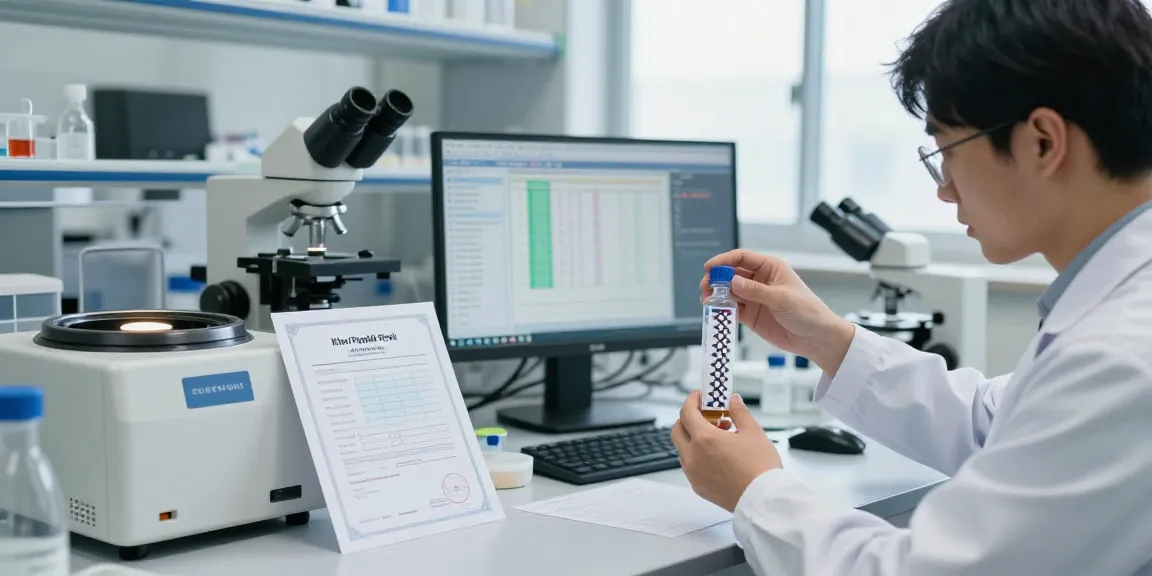
A Certificate of Analysis (COA) is a vital document in peptide research. It serves as an official record that verifies the identity, purity, and quality of the peptide blend. For the Klow Peptide Stack, each lot comes with a COA that details the results of various analytical tests, ensuring that laboratories receive the expected quality and composition.
Quality Assurance through Documentation
In the realm of research, quality assurance is paramount. Koi Peptides places significant emphasis on documentation, linking each batch of Klow Peptide Stack to its respective COA. This traceability supports researchers in confirming that the product they are using meets their experimental standards, thereby reducing uncertainty and enhancing reproducibility.
How to Verify Your Peptide Lot
Researchers should verify their peptide lot by matching the lot number on the vial label with the corresponding COA available through Koi Peptides' public documentation portal. This verification process ensures that all components within the vial are accounted for and meet the necessary quality standards for research applications.
Research Applications and Best Practices
Using Klow Peptide Stack in Laboratory Settings
The Klow Peptide Stack is intended for in vitro applications and should be utilized strictly under laboratory conditions. Researchers can leverage the unique properties of each peptide in various experimental designs, from the study of cellular processes to the investigation of healing mechanisms.
Common Misconceptions in Peptide Usage
Many misconceptions exist regarding the use of peptides in research. A key misunderstanding is equating research-grade peptides with therapeutics; it is crucial to note that Klow Peptide Stack is not marketed for clinical or consumer use, and any application should remain strictly within research parameters.
Real-World Applications and Case Studies
Laboratories utilizing the Klow Peptide Stack have the potential to explore diverse applications, including tissue regeneration studies, inflammation response investigations, and muscle recovery research. Such studies can significantly contribute to the foundational knowledge in biomedical fields, paving the way for future therapeutic advancements.
Future Trends in Peptide Research for 2026
Emerging Research Directions in Biochemistry
As we look toward the future, peptide research is expected to expand into new and exciting areas of biochemistry. Innovations in multi-peptide blends, like the Klow Peptide Stack, suggest a trend towards increasingly complex formulations that may offer synergistic effects for research applications.
The Role of Multi-Peptide Blends
Multi-peptide blends are becoming more prominent in research due to their capacity to address multifaceted biological questions. Klow Peptide Stack is at the forefront of this trend, providing a blend of peptides with distinct biological capabilities, thus enhancing the scope of experimental research.
Researching Regulatory Developments
The regulatory landscape surrounding peptide research is constantly evolving. Staying updated on changes in guidelines and restrictions, particularly regarding the use of specific peptides in research settings, will be crucial for laboratories engaging in peptide studies in the coming years.
Optimizing Your Research for Success
Establishing Reliable Supplier Relationships
For laboratories venturing into peptide research, establishing relationships with reliable suppliers like Koi Peptides can streamline the procurement process and ensure access to high-quality materials. A dependable supplier can significantly impact the success of research outcomes.
Tracking Sourcing Quality in Peptides
Quality tracking involves monitoring the sourcing and quality of peptide materials over time. By maintaining rigorous documentation practices and leveraging COAs, laboratories can ensure they are consistently working with reliable materials.
Performance Metrics for Peptide Research
Establishing performance metrics allows researchers to evaluate the efficacy of the Klow Peptide Stack in their experimental designs. These metrics could include measuring parameters such as purity levels, biological activity, and reproducibility of results across different experimental setups.
How to Ensure Compliance with Legal Standards
Compliance with legal and ethical standards is essential in peptide research. Understanding the regulations surrounding peptide use, particularly focusing on compounds like BPC-157 which are restricted for human use, will guide researchers in maintaining ethical practices in their work.
What are the best resources for peptide research?
Utilizing reputable databases, academic journals, and online communities can provide researchers with valuable insights into peptide research trends and findings. These resources allow for continual learning and adaptation to new scientific discoveries.
How to evaluate the quality of peptide suppliers?
Evaluating peptide suppliers involves assessing their quality control processes, documentation practices, and customer feedback. A supplier that provides clear COAs and complies with industry standards is likely to be a reliable choice for obtaining research materials.
What are the latest trends in multi-peptide research?
The latest trends in multi-peptide research suggest an increased focus on the collaborative effects of various peptides on biological systems, as well as advancements in analytical techniques to better understand these interactions.
How to correctly use Klow Peptide Stack in experiments?
Successful use of Klow Peptide Stack in experiments requires strict adherence to the guidelines provided in its COA. Researchers must ensure they are cognizant of the necessary conditions for reconstitution and application within experimental protocols.
What are the implications of peptide research on human health?
While Klow Peptide Stack is not approved for human consumption, its research may have significant implications for understanding processes like healing and recovery, potentially influencing future therapeutic approaches. As discoveries emerge from studies, they can inform future applications in clinical settings.