Understanding Equipment Service
What Is Equipment Service?
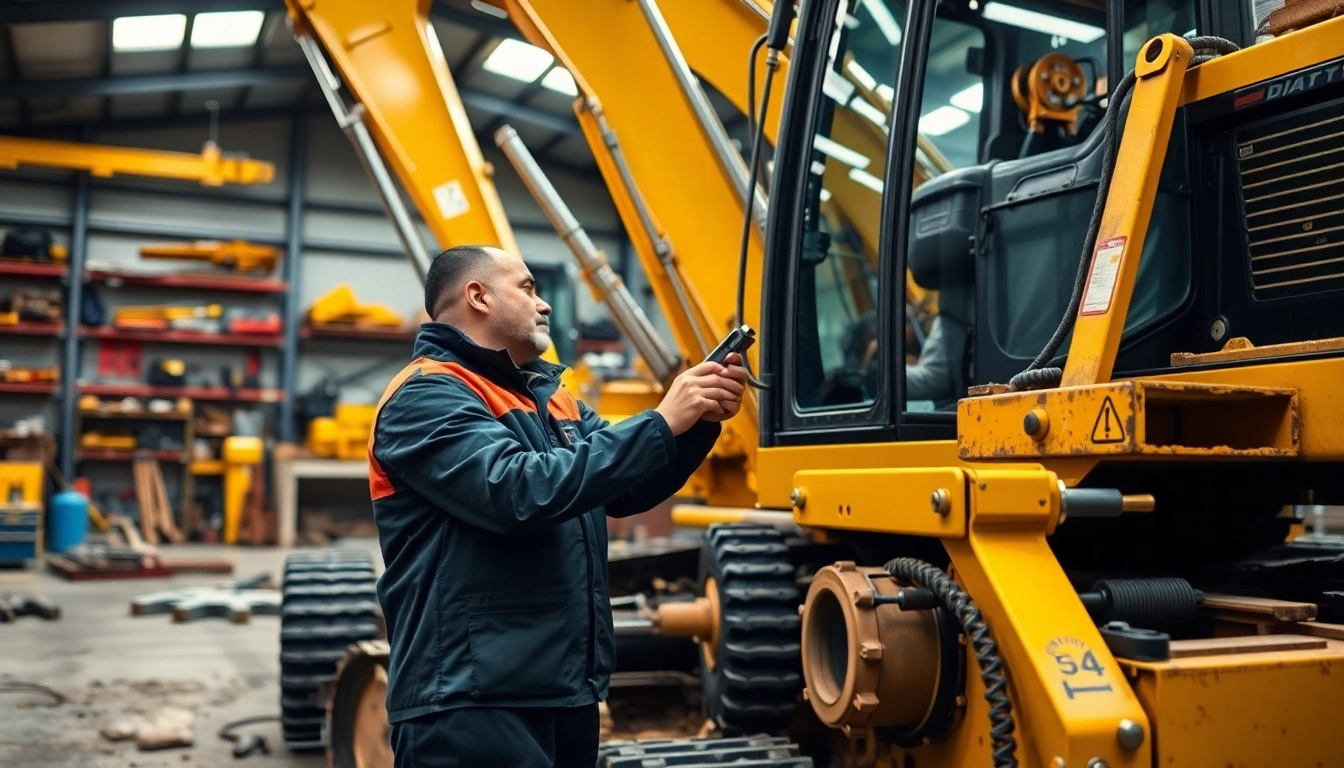
Equipment service encompasses various processes aimed at maintaining, inspecting, and repairing machinery and tools to ensure optimal performance. It is essential for industries relying on equipment, from construction to manufacturing, to implement structured maintenance protocols. Through regular care and inspection, businesses can prevent unscheduled downtimes, maximize productivity, and extend the operational lifespan of their assets. For comprehensive resources, explore equipment service best practices.
Importance of Regular Maintenance
Regular maintenance of equipment is paramount for several reasons. Firstly, it minimizes the risk of breakdowns and unexpected failures that can halt operations. A reported statistic indicates that businesses lose an average of 20-40% of productivity due to equipment failures. Moreover, routine upkeep helps businesses comply with safety regulations, reducing liability and promoting a safe working environment. It also enhances the overall efficiency of machinery, leading to fuel savings and reduced operational costs over time.
Types of Equipment Services
Understanding the various types of equipment services can help businesses tailor their maintenance strategies effectively. The main categories include:
- Preventive Maintenance: Scheduled maintenance meant to prevent failures before they occur, typically involving inspections and routine replacements.
- Predictive Maintenance: Utilizes advanced technologies and analytics to predict when equipment might fail, allowing for timely interventions.
- Corrective Maintenance: Also known as reactive maintenance, this occurs after a fault is detected, addressing specific failures.
- Condition-Based Maintenance: This approach monitors the actual condition of equipment to decide when maintenance should be performed.
- Emergency Repairs: Unplanned repairs that occur in response to unexpected equipment failures.
Common Equipment Service Challenges
Identifying Potential Issues
One of the significant challenges in equipment service is effectively identifying potential issues before they escalate. Operators need to be trained to recognize early signs of wear such as unusual noises, vibrations, or performance dips. Implementing a robust inspection plan that includes regular checks can help in diagnosing these issues at an early stage. Failure to do this can lead to significant machinery breakdowns and costly repairs.
Managing Downtime Effectively
Downtime can severely impact productivity and profitability. Planning for potential equipment failures is crucial. Businesses can create a contingency plan that includes backup equipment or interim procedures to keep operations running smoothly while repairs are underway. Leveraging technology such as real-time monitoring systems can also facilitate faster response times during unexpected downtimes.
Cost Implications of Neglect
The financial repercussions of neglecting equipment service can be substantial. Not only are there immediate costs associated with repairs, but over time, poor maintenance can lead to decreased equipment life and increased operational inefficiencies. It is estimated that companies lose more than $50 billion annually due to unplanned downtime, underscoring the importance of establishing a proactive maintenance culture.
Best Practices in Equipment Service
Routine Inspection Techniques
Establishing routine inspection techniques is vital for effective equipment service. This includes setting maintenance schedules that align with equipment usage patterns. Developing checklists based on manufacturer recommendations can streamline inspections and help to ensure no critical aspects are overlooked. Regular updates to these checklists, incorporating collected data from service histories, can enhance their effectiveness over time.
Using Technology for Maintenance
Technology is increasingly transforming traditional maintenance practices. Utilizing equipment management software can facilitate tracking service intervals, diagnosing performance metrics, and managing repair histories effortlessly. Moreover, advancements in IoT devices allow remote monitoring of equipment conditions, providing real-time feedback to operators. These technologies not only bolster efficiency but also provide data that can help in decision-making regarding service schedules.
Training Staff for Proper Service
Investing in staff training ensures that personnel are well-equipped to handle routine maintenance effectively and respond to issues as they arise. Comprehensive training programs should cover proper usage, maintenance procedures, and safety protocols. Continuous education through workshops and seminars can also keep staff updated on the latest practices and technologies in equipment service, ultimately enhancing the overall quality of maintenance.
Implementing Effective Equipment Service Programs
Creating a Maintenance Schedule
A structured maintenance schedule is the backbone of any successful equipment service program. This schedule should outline all necessary maintenance activities, their frequencies, and responsible staff. Schedule creation should consider factors such as equipment usage intensity, manufacturer guidelines, and historical data on equipment failures. Regular reviews of the schedule are also crucial to adapt to changing operational needs.
Documentation and Reporting
Thorough documentation and reporting are essential for tracking maintenance activities and outcomes. Maintaining records of inspections, repairs, and replacement parts not only aids in accountability but also provides valuable insights for future maintenance decisions. Implementing a centralized documentation system can improve access to information and streamline the management of maintenance processes.
Measuring Success and Performance
To ensure that an equipment service program is effective, businesses should implement key performance indicators (KPIs) to measure success. Metrics such as mean time between failures (MTBF), maintenance costs, and equipment availability rates can provide insights into the effectiveness of service initiatives. Regularly analyzing these metrics enables businesses to refine their equipment service strategies and improve overall operational efficacy.
FAQs About Equipment Service
What is the frequency of equipment service?
Equipment service frequency varies based on usage and type, but regular checks at least every six months are advisable.
How do I know my equipment needs servicing?
Signs include unusual noises, performance inconsistencies, or visible wear and tear. Address these issues promptly.
Can equipment service be done in-house?
Yes, with appropriate training and resources. However, complex issues are better handled by professionals.
What costs should I expect for equipment service?
Costs vary widely based on equipment type, service complexity, and parts needed. Budgeting for unexpected repairs is wise.
What are the benefits of preventive maintenance?
Preventive maintenance reduces downtime, enhances efficiency, extends equipment lifespan, and saves on costly repairs.
Contact Information
Call Us: 4062607988Address: 3906 MT-40, Columbia Falls, MT 59912