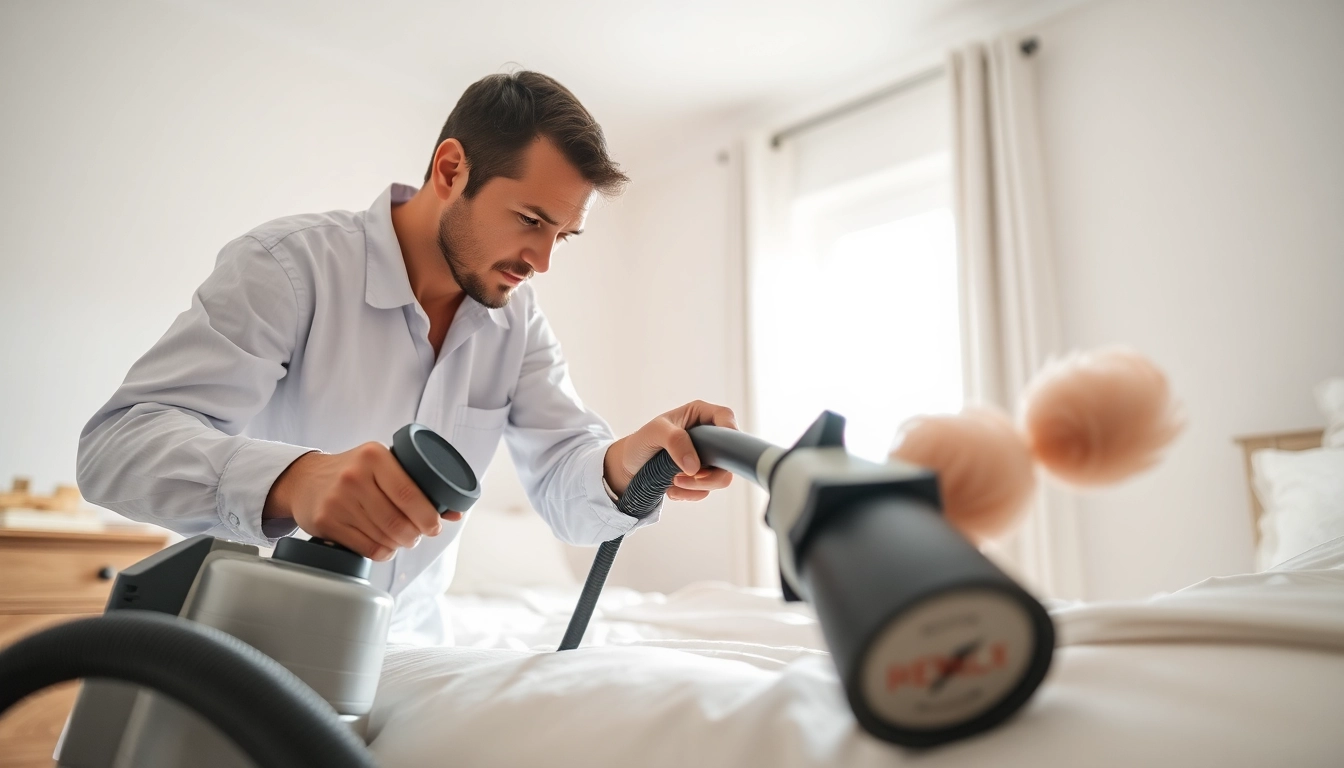
Understanding Bed Bugs
Life Cycle and Habits of Bed Bugs
Bed bugs, scientifically known as Cimex lectularius, are blood-feeding parasites that typically inhabit areas that provide access to humans or warm-blooded animals. Their life cycle consists of three primary stages: egg, nymph, and adult. Each female bed bug can lay up to 500 eggs in her lifetime, making rapid population growth possible under conducive conditions. Eggs hatch within 6 to 10 days, leading to the first nymph stage, which resembles an adult but is smaller and requires blood meals to grow.
Signs of Bed Bug Infestation
Detecting a bed bug infestation early is crucial for effective management. Common signs include:
- Visible Bugs: Adult bed bugs are recognizable by their flat, oval shape and reddish-brown color.
- Fecal Stains: Small dark spots on sheets or surrounding surfaces indicate the presence of bed bugs.
- Shed Skins: As bed bugs molt, they leave behind exoskeletons that signal an infestation.
- Bites: Many individuals experience itchy welts or bumps on their skin, typically in clusters.
Common Misconceptions about Bed Bugs
Understanding bed bugs also requires debunking common myths. For instance, bed bugs are not associated solely with poor hygiene. They can thrive in clean environments and often travel via personal items like luggage, making anyone vulnerable. Additionally, bed bugs cannot fly; instead, they crawl rapidly and can easily move between adjacent living spaces.
Comprehensive Guide to Bed Bug Removal
Preparation Before Treatment
Before starting any treatment, thorough preparation is essential. Homeowners should:
- Declutter the infested area to facilitate easy access for treatment.
- Wash all bedding and clothing in hot water and dry them on the highest setting.
- Seal items that cannot be washed in plastic bags to prevent bed bugs from spreading.
- Vacuum the entire living area to remove bed bugs and their eggs, emptying the vacuum immediately outside the home.
DIY Methods for Bed Bug Removal
Some individuals attempt bed bug removal with DIY methods. Common techniques include:
- Heat Treatment: Bed bugs can be killed by exposure to temperatures above 120°F (49°C). Using a steam cleaner can be effective.
- Cold Treatment: Placing infested items in a freezer for several days can also eradicate bed bugs.
- Natural Remedies: Some opt for diatomaceous earth or essential oils, although their effectiveness can vary.
When to Call Professionals
Professional intervention is recommended when infestations are severe or persist despite DIY efforts. Pest control experts have access to technologies such as heat treatments and specialized pesticides that provide more effective results than typical home remedies. Additionally, professionals can identify and pesticide-free approaches that minimize chemical exposure while maximizing effectiveness.
Effective Treatments for Bed Bug Removal
Chemical vs. Non-Chemical Treatments
The choice between chemical and non-chemical treatments depends on the severity of the infestation. Chemical treatments often utilize pesticides approved by regulatory agencies. It's crucial to select eco-friendly options where possible, considering health impacts. Non-chemical treatments include heat and steam that physically eliminate bed bugs without exposing inhabitants to toxins.
Using Heat for Bed Bug Removal
Heat treatment raises an area’s temperature to levels that are lethal to bed bugs. This method requires careful monitoring and should only be conducted by trained professionals. Equipment like specialized heaters ensures even distribution of heat in every corner of the infested space, preventing any potential re-infestation from surviving bugs or eggs.
Environmental Considerations in Treatments
When considering bed bug treatment options, it’s crucial to assess their environmental impact. Chemical pesticides can have harmful effects on non-target wildlife and human health. Non-chemical alternatives, such as heat treatment, are often more eco-friendly and sustainable, balancing efficacy with environmental responsibility.
Cost Factors in Bed Bug Removal
Typical Costs for Professional Services
The cost of professional bed bug removal typically ranges between $300 and $1,500, depending on multiple factors such as the severity of the infestation, the location of the property, and the treatment methods employed. Getting multiple quotes and understanding the services included can help homeowners make informed decisions.
DIY Cost Analysis
DIY options may appear cheaper, but the costs can add up when considering materials, time, and the potential need for follow-up treatments. For instance, purchasing steamers, chemical treatments, or specialized traps can run several hundred dollars. Therefore, weighing the potential effectiveness of DIY methods against professional solutions is essential.
Long-Term Investment in Prevention
Preventative measures are vital to avoid future infestations. Investing in protective encasements for mattresses and box springs, regular cleaning, and maintenance checks can save significant costs in the long run. Education on prevention strategies, such as inspecting luggage and furniture, can dramatically reduce the risk of encountering bed bugs.
FAQs about Bed Bug Removal
What are the signs of a bed bug infestation?
Common signs include small reddish-brown spots on bedding, shed exoskeletons, and distinctive bites on the skin.
How can I prepare for bed bug removal?
Clear clutter, wash bedding in hot water, and vacuum furniture thoroughly to aid the treatment process.
Are DIY bed bug removal methods effective?
While some DIY methods can be effective for minor infestations, persistent problems usually require professional intervention.
What is the typical cost of professional bed bug removal?
Costs can vary widely, but average expenses for professional treatments range from $300 to $1,500 depending on severity and location.
How long does bed bug removal take?
The process can take several weeks, as it often involves multiple treatments to ensure complete eradication of all bugs and their eggs.