
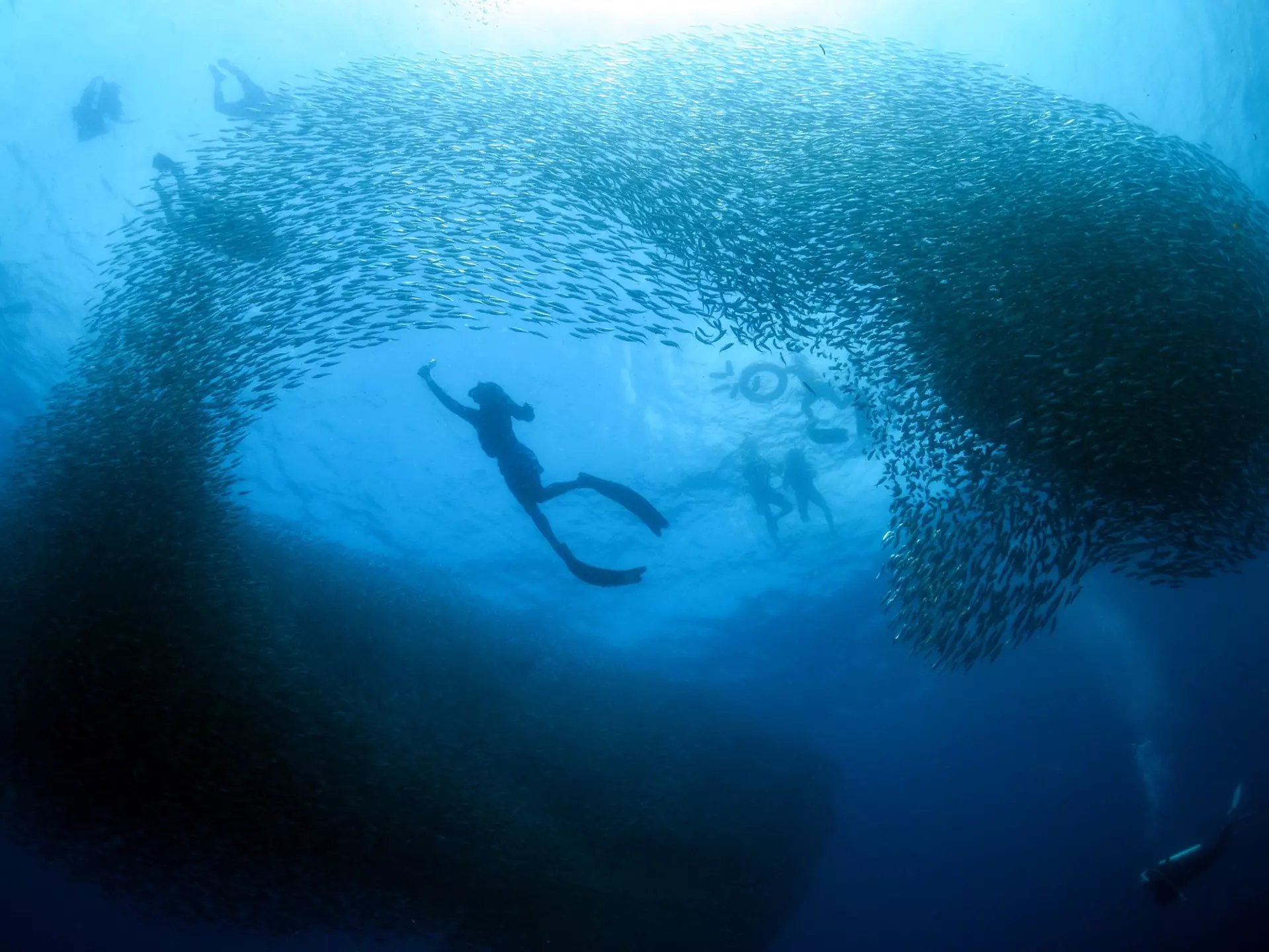
A New Ethical Direction for Ocean Exploration
The diving world is undergoing a meaningful transformation as travelers become more aware of their impact on marine life. At the center of this shift are cruelty-free scuba travel experiences, designed to ensure that underwater exploration never harms or exploits ocean ecosystems. This approach emphasizes respect for marine creatures, reef protection, and ethical interaction with the underwater environment.
Modern travelers are increasingly choosing cruelty-free scuba travel experiences as part of a broader movement toward responsible tourism. Rather than focusing only on adventure, divers now prioritize the well-being of marine habitats, seeking experiences that allow them to witness ocean life without causing disruption or distress.
Respecting Marine Life Through Ethical Diving Practices
Ethical diving is built on the principle that the ocean is a shared habitat, not a resource to be disturbed. cruelty-free scuba travel experiences encourage divers to observe marine life without touching, chasing, or feeding animals. This ensures that natural behaviors remain undisturbed and ecosystems stay balanced.
Many dive operators promoting cruelty-free scuba travel experiences provide detailed briefings on responsible underwater conduct. These include maintaining proper buoyancy, avoiding coral contact, and keeping a respectful distance from marine animals. Such guidelines help protect fragile environments while still allowing divers to enjoy close encounters with marine biodiversity.
By following these practices, travelers contribute to ocean preservation and help maintain healthy ecosystems where marine species can thrive without human interference.
Choosing Responsible Dive Operators and Destinations
A key element of ethical ocean tourism is selecting dive operators who prioritize animal welfare and environmental protection. Many centers now specialize in cruelty-free scuba travel experiences, offering tours that exclude harmful interactions such as wildlife feeding or captivity-based attractions.
These operators often collaborate with marine conservation organizations to ensure their activities align with global ethical standards. Choosing cruelty-free scuba travel experiences means supporting businesses that actively work to reduce ocean pollution, protect coral reefs, and promote sustainable tourism models.
Destinations that embrace this philosophy often feature marine protected areas where strict regulations ensure that wildlife remains undisturbed. Divers visiting these locations can witness vibrant ecosystems where sharks, rays, turtles, and reef fish exist naturally without exploitation.
The Role of Education in Ethical Diving
Education plays a vital role in shaping responsible divers. Many programs associated with cruelty-free scuba travel experiences include marine biology workshops, conservation lectures, and hands-on training in eco-friendly diving techniques.
Understanding marine ecosystems helps divers recognize the importance of their behavior underwater. When travelers engage in cruelty-free scuba travel experiences, they learn how even small actions can affect coral health and animal behavior. This awareness encourages long-term respect for ocean environments.
Dive instructors often emphasize the importance of patience and observation rather than interaction. This shift in mindset transforms diving into a form of quiet appreciation rather than direct engagement, reinforcing the principles of cruelty-free exploration.
Protecting Coral Reefs and Fragile Ecosystems
Coral reefs are among the most sensitive ecosystems on the planet, and they are central to many cruelty-free scuba travel experiences. These underwater structures support thousands of marine species and require careful protection from physical damage and pollution.
Divers participating in cruelty-free scuba travel experiences are taught to avoid contact with coral, as even slight touches can cause long-term harm. Many eco-conscious destinations also limit diver numbers to reduce pressure on reef systems.
Restoration projects are often integrated into diving programs, allowing visitors to observe or even support coral rehabilitation efforts. This strengthens the connection between tourism and conservation while reinforcing the importance of ethical behavior underwater.
Reducing Human Impact on Marine Environments
Sustainability and cruelty-free principles go hand in hand. cruelty-free scuba travel experiences focus on minimizing human impact through eco-friendly practices such as reducing plastic waste, using reef-safe sunscreen, and supporting low-emission transportation options.
Many dive centers promoting cruelty-free scuba travel experiences also operate with strict environmental policies, including waste management systems and partnerships with local conservation groups. These efforts ensure that tourism contributes positively to marine protection rather than environmental degradation.
By adopting these habits, divers help preserve underwater ecosystems for future generations while enjoying immersive and meaningful travel experiences.
Supporting Conservation-Driven Communities
Ethical diving also has a strong social dimension. Many regions offering cruelty-free scuba travel experiences rely on marine tourism for economic stability. By choosing responsible operators, travelers directly support local communities that depend on healthy oceans.
These communities often play an active role in marine conservation, participating in reef monitoring, species protection programs, and environmental education initiatives. cruelty-free scuba travel experiences help strengthen these efforts by providing sustainable income sources that encourage long-term environmental stewardship.
This creates a cycle where conservation and tourism reinforce each other, ensuring that both people and marine life benefit from responsible travel practices.
The Future of Ethical Underwater Tourism
The future of diving is moving toward greater transparency, responsibility, and compassion for marine life. cruelty-free scuba travel experiences are at the forefront of this evolution, shaping a new standard for how people interact with the ocean.
Technological advancements are also supporting this shift. Eco-friendly diving equipment, electric dive boats, and improved reef monitoring systems are making cruelty-free scuba travel experiences more accessible and sustainable than ever before.
As awareness continues to grow, more travelers are expected to choose ethical diving options, ensuring that marine tourism becomes a force for protection rather than harm.
Conclusion: A More Compassionate Way to Explore the Ocean
Ocean exploration is entering a new era where responsibility matters as much as adventure. cruelty-free scuba travel experiences represent a meaningful shift toward respecting marine life and preserving fragile ecosystems.
By choosing ethical operators, following responsible diving practices, and supporting conservation-focused destinations, travelers can ensure their underwater journeys leave no harm behind. Each dive becomes an opportunity to appreciate nature without disruption, reinforcing the importance of compassion in ocean travel.
As this movement expands globally, cruelty-free scuba travel experiences will continue to redefine what it means to explore the underwater world with integrity and respect.
Frequently Asked Questions
What are cruelty-free scuba travel experiencesThey are diving experiences designed to avoid harming or disturbing marine life while promoting ethical and responsible ocean exploration.
Why are cruelty-free scuba travel experiences importantThey protect marine ecosystems, ensure animal welfare, and promote sustainable tourism practices that reduce environmental impact.
Can beginners join cruelty-free scuba travel experiencesYes, many dive operators offer beginner-friendly programs that include training on ethical diving practices and marine conservation awareness.
Do cruelty-free scuba travel experiences cost moreNot necessarily, though some eco-certified operators may charge slightly more due to conservation efforts and sustainable practices.
How do divers support cruelty-free divingDivers support these experiences by following ethical guidelines, avoiding harmful interactions with marine life, and choosing responsible dive operators.